July 5, 2026 • Brian Webb • 9 min reading time • Prices verified June 29, 2026
Loop Bands vs. Tube Bands: The $12-to-$40 Quality Delta Every First-Timer Needs to Understand
If you’ve searched “resistance bands” even once, you already know the confusion: one listing shows a flat rubber ring, another shows a handled tube with clips, and somehow both are called “resistance bands.” They’re not the same product, they don’t train the same way, and one of them is almost certainly the wrong choice for where you’re starting. Resistance bands in general are exactly what they sound like — elastic tools that create tension as you stretch them, so your muscles have to work against that pull. No weights, no machines, no gym membership required. But the two main styles — loop bands (flat, closed rubber rings with no handles) and tube bands (round, hollow rubber tubes with plastic or foam handles on each end) — serve different training goals, hold up differently over time, and live at very different price points. This guide maps out exactly what separates them, shows you the math on where the money goes, and gives you a clear rule for which one belongs in your cart.
What You’re Actually Buying: Loop Bands and Tube Bands Defined
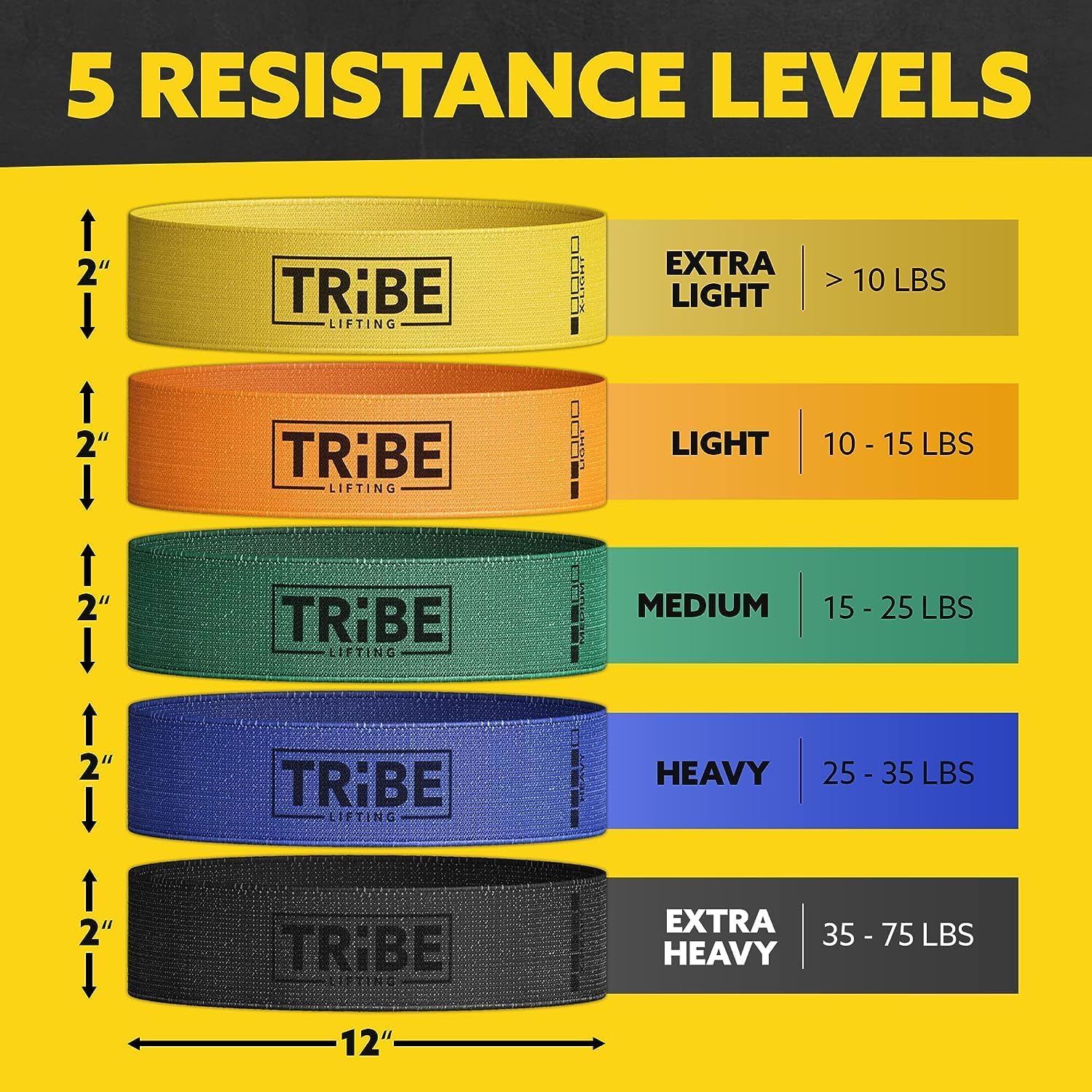
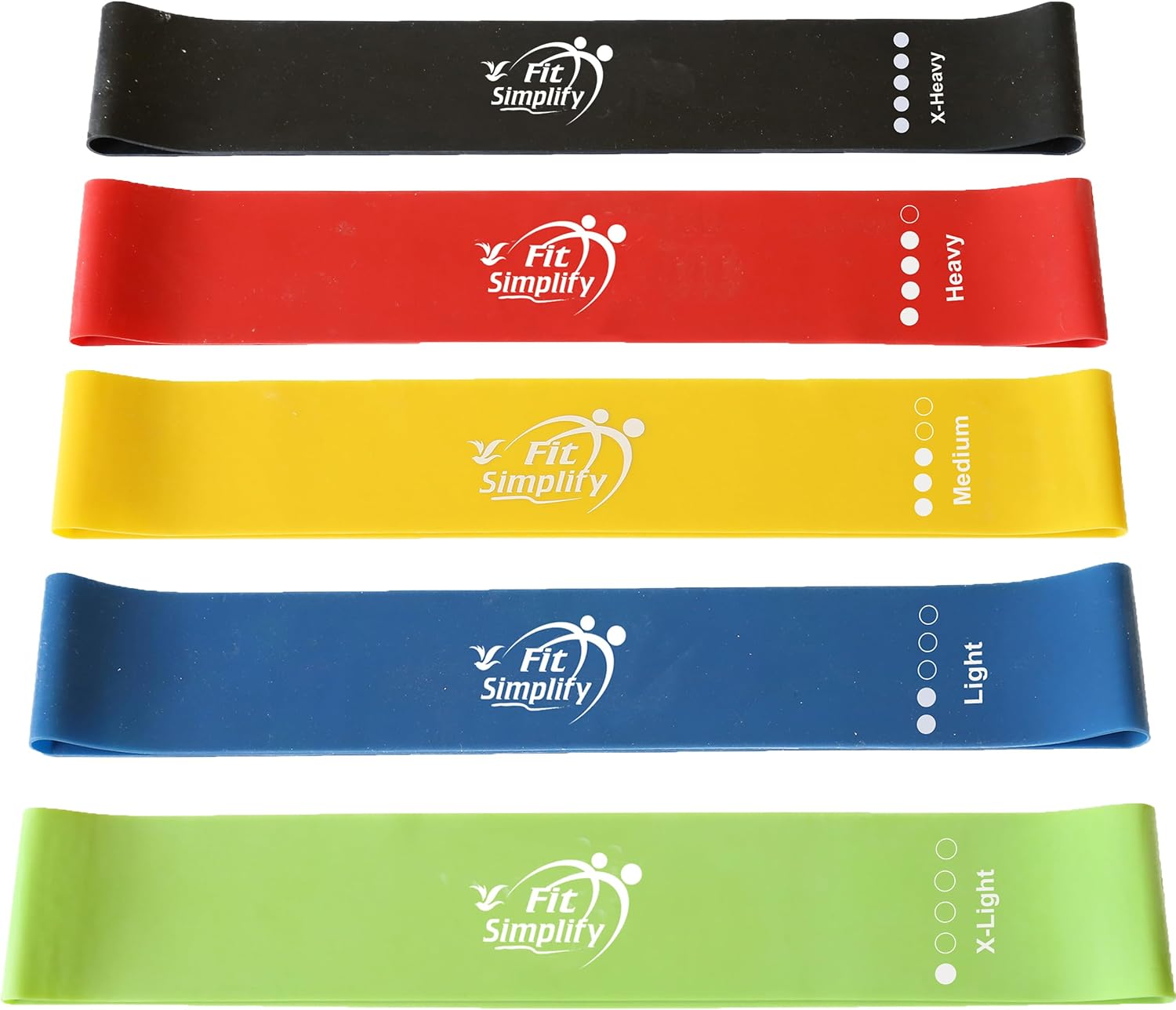
Loop bands are flat, continuous rings of layered latex rubber. They come in sets — usually four to six bands — color-coded by resistance level. A full beginner set typically runs $10–$18 at retail. The bands are seamless, meaning there’s no join or weld point, which matters for durability. You use them by placing them around your thighs, ankles, or wrists, or by anchoring them under a foot. No handle required.
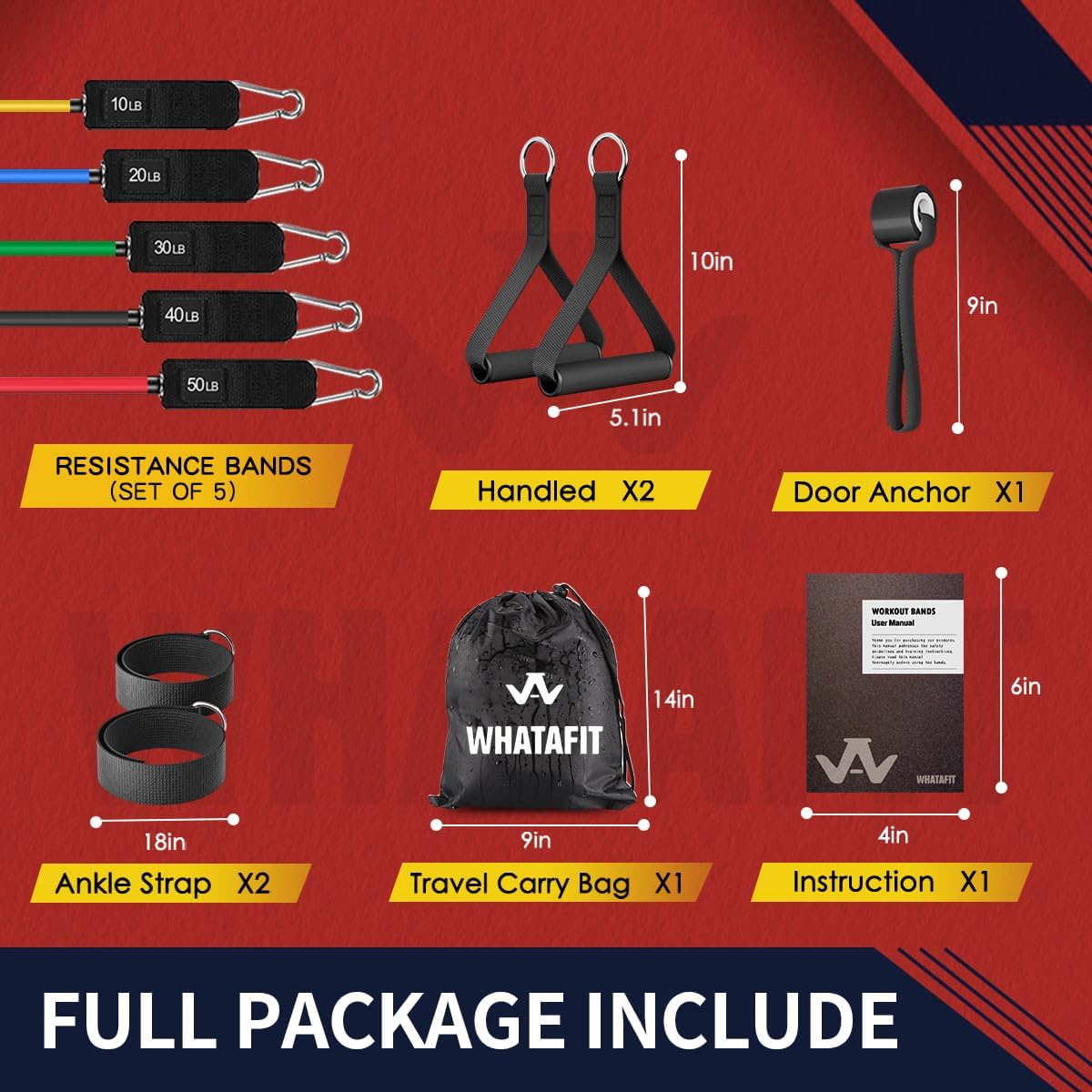
Tube bands are hollow, cylindrical rubber tubes — picture a bicycle inner tube with a clip on each end. Those clips attach to plastic or foam handles, door anchors, and accessory straps. A basic set runs $18–$35; a quality set with a full accessory kit lands at $30–$45. The tube construction makes them inherently better for mimicking cable-machine exercises — bicep curls, chest presses, and rows — because you hold a handle exactly as you would at a gym cable station.
The structural difference matters immediately. According to ACE Fitness’s resistance band training exercise library, loop-style bands are the preferred tool for lower-body activation work — glute bridges, lateral band walks, clamshells — because they don’t require a grip and stay in place while your hands are free. Tube bands, by contrast, are designed around bilateral and unilateral upper-body pulling and pushing movements, and their handle system is what makes those movements feel natural.
Neither type is inherently “better.” They’re genuinely different tools, and serious home-gym builders eventually own both. The question for a first-timer is which one matches the workouts you’re about to do.
The $12-to-$40 Quality Delta, Broken Down
Price within each category is where the decision gets more interesting — and where most first-timers leave money on the table in one direction or the other. Below, each pricing tier gets its own section so you can find your budget and move on.
Loop Band Pricing
Budget Loop Bands: $10–$14
At this price point, most sets use thinner single-layer or minimally layered latex — typically 0.35mm–0.45mm per layer. Barbend’s Best Resistance Bands buyer’s guide consistently flags thin-wall construction as the leading cause of owner-reported snapping on low-price loop bands, particularly at the points where the band stretches to maximum length. Aggregated owner reviews across retail listings show a pattern of breakage within 60–90 days of regular use on the thinnest budget options. You can find a functional set here for occasional light use, but the failure rate climbs steeply with frequency.
Fit
$9.98
In stock on Amazon
Check price on AmazonMid-Tier Loop Bands: $18–$28
Sets in this range typically shift to thicker, multi-layer latex — roughly 0.5mm–0.7mm per layer. Wirecutter’s evaluation of resistance bands, in their Best Resistance Bands guide, notes that bands at this price tier show meaningfully better longevity in owner-reported data, without requiring the jump to professional-grade pricing. For most beginners, this is the sweet spot: enough latex quality to handle three to five sessions per week without premature failure, at a price that doesn’t demand commitment before you’ve established a habit.
WHATAFIT
$22.07
In stock on Amazon
Check price on AmazonPremium Loop Bands: $35+ Per Band
The jump to this tier — brands like Rogue Fitness and Iron Woody — reflects natural latex sourcing, tighter manufacturing tolerances, and no-questions warranty policies. This tier is built for loaded barbell assistance work: accommodating resistance on squats and deadlifts, heavy pull-up assistance. That’s not a beginner use case. You don’t need it yet, and you’ll know when you do.
Bodylastics
$49.97
In stock on Amazon
Check price on AmazonTube Band Pricing
Budget Tube Bands: $15–$20
Sets at this price usually include thin-walled tubes, lightweight plastic clip hardware, and thin foam-wrapped handles. Consumer Reports’ Home Fitness Equipment Durability Overview highlights connector hardware as the primary failure point in low-cost tube band sets — the clips that join the tube to the handle are often stamped thin metal that bends under repeated loading cycles. The rubber may be fine; the hardware fails first. For anyone planning to use these more than once or twice a week, the budget tier is a false economy.
Fit
$9.98
In stock on Amazon
Check price on AmazonMid-Tier Tube Bands: $28–$40
Sets in this range shift to thicker tube walls, reinforced metal snap-hook clips (the same style used in climbing and rigging), and sturdier handle construction — usually a hard plastic core with denser foam padding. Men’s Health’s resistance band gear coverage identifies this hardware tier as the point where tube bands become genuinely reliable for sustained upper-body training. Equally important: a good $30–$40 set typically includes two handles, a door anchor (a looped strap that passes over a closed door for anchored rows and presses), ankle straps for lower-body cable-style work, and a carry bag. Buying those accessories individually at the budget tier often costs more than stepping up to the mid-tier set from the start.
WHATAFIT
$22.07
In stock on Amazon
Check price on AmazonPremium Tube Bands: $45+
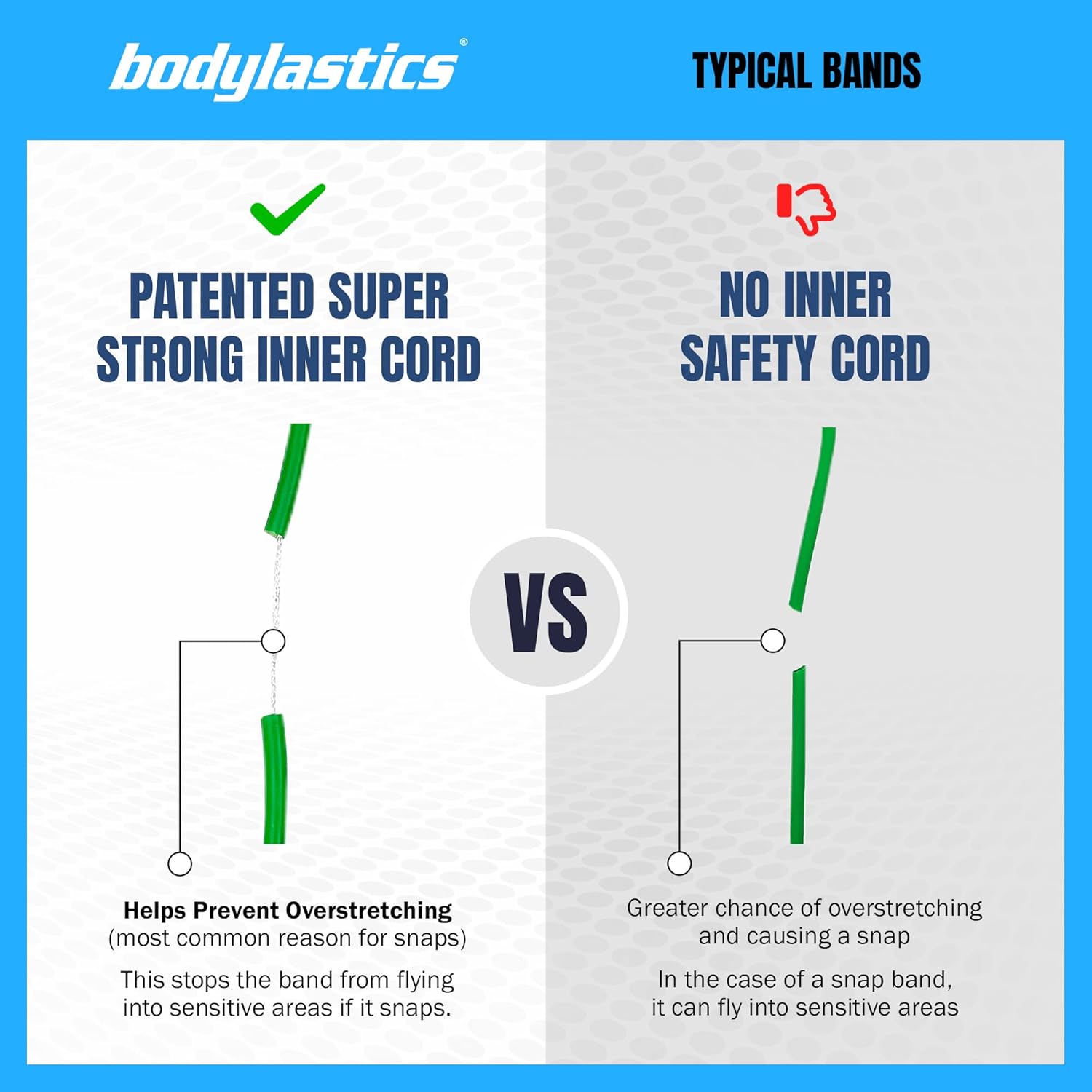
Above $45, you’re typically paying for stackable resistance systems — sets where multiple tubes clip to a single handle for higher total resistance, with commercial-grade clips and a broader accessory ecosystem. This tier makes sense for home-gym users who want to replace a cable machine entirely. It’s not a starting point. Buy it when you’ve confirmed tube band training is a permanent part of your routine and you’ve outgrown the mid-tier resistance range.
Bodylastics
$49.97
In stock on Amazon
Check price on AmazonWhich Type Matches Your Actual Workouts
This is the real question, and it has a clear answer depending on what kind of training you’re starting.
Choose loop bands if your plan is built around:
- Lower-body strength and mobility — glute work, hip hinge patterns, lateral movements
- Yoga or flexibility routines where you need hands-free resistance
- Physical therapy-adjacent rehab or activation work
- Workouts that pair bands with bodyweight movements like squats, bridges, and clamshells
ACE Fitness’s resistance band training exercise library categorizes loop bands as the primary tool for glute activation sequences — the kind of targeted accessory work that supports both runner training and general strength building. If you’re following a beginner lower-body plan, a loop band set is almost certainly what the plan was written around.
Choose tube bands if your plan is built around:
- Upper-body pulling and pushing — rows, presses, curls, tricep extensions
- Mimicking gym cable-machine movements at home
- Full-body circuit workouts that mix upper and lower body exercises
- Training with a partner (tube bands with handles are far more natural for two-person use)
If your workout plan lists exercises like “banded row,” “chest press,” or “overhead press,” those movements almost always assume a handled tube band and a door anchor, not a loop band. Using a loop band for a row is workable but awkward; a tube band makes the movement feel immediately familiar from day one.
If you’re genuinely not sure: Buy the loop band set first. At $18–$25, the downside is low. Barbend’s Best Resistance Bands buyer’s guide notes that first-time band users consistently report being surprised by how much training a quality loop band set supports before they feel limited. Tube bands tend to be the natural second purchase — not the first — for beginners who start with a lower-body or bodyweight-focused plan.
The One Thing to Check Before You Add Either to Your Cart
Latex quality is largely invisible from a product photo, which is why owner reviews are your most reliable pre-purchase signal. Before buying any band set under $30, read the one-star and two-star reviews specifically — not for confirmation bias, but to check for a pattern. A cluster of negative reviews mentioning breakage after light use, or handles pulling free from clips within weeks, is a meaningful signal. A spread of negative reviews citing user error — overstretching beyond the band’s range, using outdoors in extreme cold — is not.
Wirecutter’s Best Resistance Bands guide makes the same point: aggregate review patterns, not individual complaints, are what separate a quality issue from a use issue. If 15 percent of reviewers across hundreds of ratings mention the same failure mode, that’s a product problem. If two reviewers describe the same failure and the rest are satisfied, it’s likely an outlier.
One practical check: search the product name plus the word “snapped” or “clips broke” before purchasing. If the first page of results is full of forum threads and video complaints, take that seriously. If it’s clean, you’re probably fine.
The Decision in Plain Language
If you want a simple rule before you close this tab:
-
Starting a lower-body, glute, or bodyweight plan → loop band set, $18–$25. You’ll use every band in the set, the resistance range will carry you for months, and you’ll have room to upgrade individual bands later.
-
Starting a full-body or upper-body-focused plan → tube band set, $30–$40. Spend enough to get metal clip hardware and a door anchor included. Sets under $20 will frustrate you within a month.
-
Not sure what plan you’re starting → loop bands first. The $18–$25 entry is low-risk, the versatility is high, and you’ll know what you actually need by week four.
The $12-to-$40 range isn’t a wide spread in dollar terms, but it’s the difference between gear that holds up for a year and gear that becomes a drawer casualty after two weeks. Spend $5–$10 more than the cheapest option in your category, read the review patterns, and match the band type to the movements on your actual workout plan. That’s the whole decision.