July 11, 2026 • Brian Webb • 10 min reading time • Prices verified June 29, 2026
Kettlebell Material Guide: Cast Iron vs. Coated vs. Soft — Which Finish Fits Your Home Gym
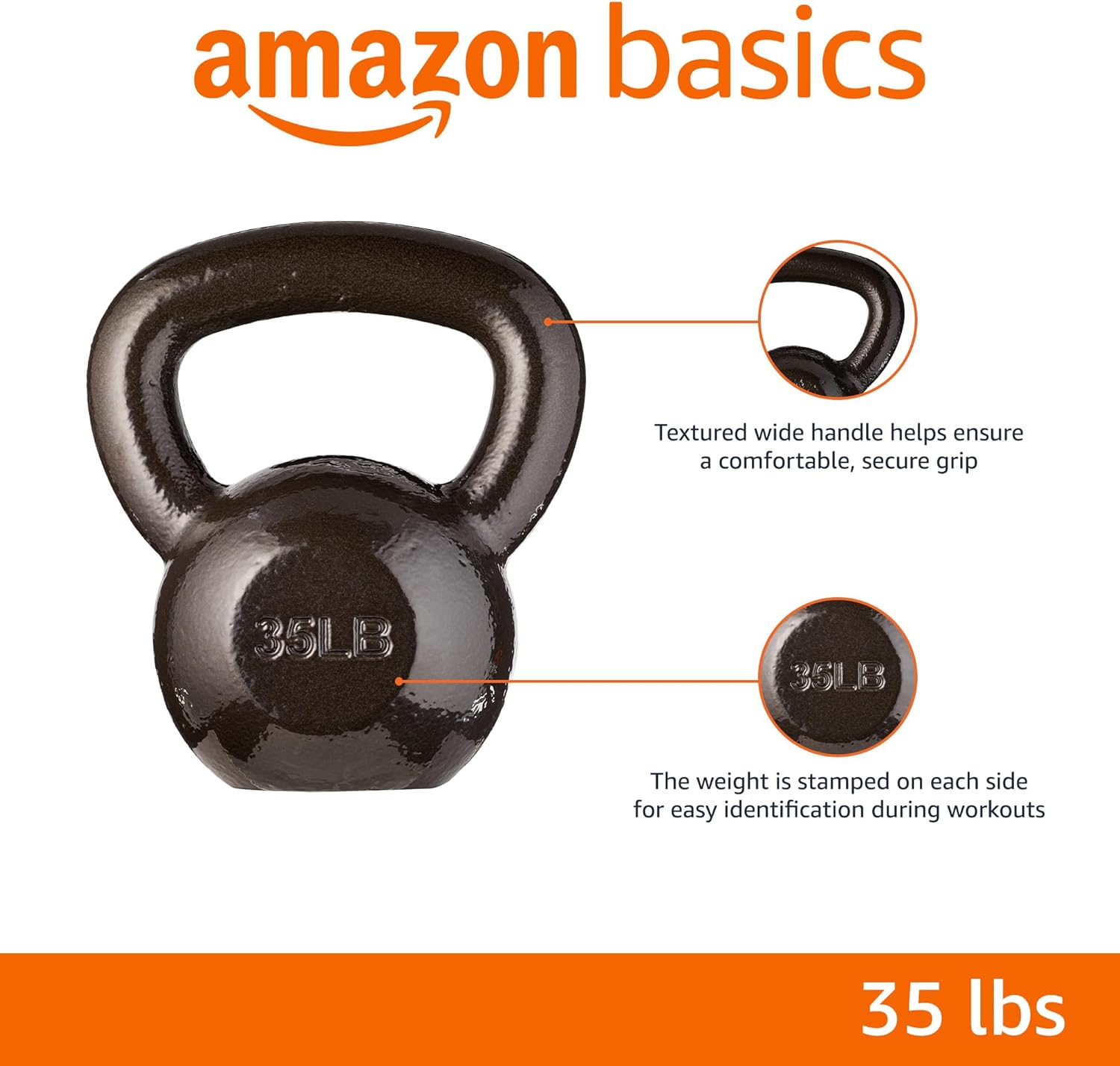
A kettlebell is a cast iron or steel weight with a handle on top — think of a cannonball with a grip. You swing it, press it, carry it, and set it down, often dozens of times per session. Simple concept. But walk through the kettlebell aisle of any major retailer and you’ll find bare gray iron next to shiny neoprene-wrapped bells next to squishy fabric-covered ones, all claiming to do the same job. They don’t, quite. The material and finish of a kettlebell shapes how it feels in your hand during a 20-rep set, whether it will gouge your hardwood floor, how loud your downstairs neighbor notices your workout, and how the bell holds up after a year of daily use. This guide breaks down the three main categories — bare cast iron, coated (neoprene or vinyl over iron), and soft-shell kettlebells — with honest tradeoffs for each, so you can match the finish to your actual training environment rather than just buying whatever ships fastest.
| EDITOR'S PICKKettlebell Sets Professional Gr… | Mid-tierWeGym Soft Kettlebells with Cus… | Budget pickAmazon Basics Cast Iron Kettleb… | |
|---|---|---|---|
| Material | Cast Iron | — | Cast Iron |
| Grip | — | Anti-Slip | Textured |
| Weight | 5, 10 | 10+15+20LB | 35 Pounds |
| Handle | — | Wide-Grip | Wide |
| Base | Protective | Impact-Resistant | — |
| Set | Yes | Yes | — |
| Price | $318.24 | $169.99 | $51.99 |
| See on Amazon → | See on Amazon → | See on Amazon → |
The Three Finishes: What They Are and Who They’re For
Cast Iron: The Baseline Everything Else Is Compared Against
Bare cast iron — and its close cousin, powder-coated cast iron — is the format every other kettlebell finish is trying to improve on. A single piece of iron, poured into a mold, cooled, and finished with either raw iron texture or a thin layer of powder-coat paint. That’s it.
Why owners choose it: The slightly rough surface of quality cast iron gives your palm something to hold during dynamic movements like swings and cleans, where a slippery surface would be genuinely dangerous. According to BarBend’s Kettlebell Buyer’s Guide (barbend.com), single-cast construction — where the handle and bell are one continuous piece with no weld seam — is a meaningful safety and durability feature, eliminating any joint that could crack under repeated ballistic load. Buyers who’ve trained at commercial gyms often find well-made cast iron at home to be equal or better in hand feel, especially in the lighter weight ranges.
The real tradeoff: finish consistency. A notable owner-reported complaint in the cast iron category is that surface roughness varies between individual weights within the same product family. A 16 kg bell from one production batch may grip differently than a 24 kg from another. For beginners doing light swings, this is trivial. For anyone training seriously with multiple weights, it means your hands experience inconsistent texture across the session. Callus formation and skin health are legitimate training concerns — the American Council on Exercise’s kettlebell training materials (ACE Fitness, acefitness.org) note that both handle diameter and surface texture affect grip fatigue over the course of a workout.
Floor risk is real. Bare iron on hardwood is a scratch-and-dent waiting to happen. A dropped 20 kg bell will leave a permanent mark. If you’re training on a performance mat or rubber flooring, this is a non-issue. If you’re setting bells down on finished floors without protection, you need to factor in a mat — or a coated bell.
Powder coat vs. raw iron: Powder-coat is baked-on paint that adds minimal thickness but smooths out casting imperfections and protects against rust. Wirecutter’s Best Kettlebells coverage (nytimes.com/wirecutter) consistently identifies powder-coat as the preferred finish for daily-use bells in home environments — durable enough for years of use, grippy enough for training, and easier on the hands than raw cast iron over long sets.
Amazon
$51.99
In stock on Amazon
Check price on AmazonCoated Kettlebells: Neoprene and Vinyl Over Iron
Coated kettlebells are still iron at their core — the same weight, the same ballistic capability — but wrapped in a layer of neoprene rubber or vinyl. The coating serves specific purposes: floor protection, quieter set-down, color-coding for multi-weight households, and a softer feel against the forearm during racked carries.
The floor and noise case. In an apartment or a room above a finished basement, the acoustic difference between dropping bare iron and setting down a coated bell is not subtle. This is a real environmental constraint — not a preference — for a meaningful share of the home-gym market. The soft bottom surface of vinyl-coated bells specifically absorbs impact noise at set-down, which bare iron simply cannot.
Color-coding as a genuine workflow tool. Neoprene bells are typically sold in color-coded sets where each weight corresponds to a distinct color. When you’re mid-circuit and need to grab your bell without breaking focus, color-coded handles read faster than weight stamps. Garage Strength’s analysis of kettlebell training performance (garagestrength.com) notes that minimizing cognitive interruptions during conditioning work supports training quality — grabbing the wrong weight because labels looked similar is exactly the kind of friction that color-coding eliminates.
The grip texture tradeoff. Neoprene and vinyl feel different than bare iron during swings — specifically, they’re smoother, which means your grip has to work harder in sweaty conditions. Reviewers across the category consistently note that coated bells benefit from chalk use during longer swing sets in a way that bare iron does not. For Turkish get-ups, presses, and goblet squats — slower, more controlled movements — the coating is a non-issue. For high-rep ballistic work like swings and snatches, the difference is noticeable enough to matter.
Handle angle as an underreported differentiator. Handle angle — the pitch of the handle relative to the bell body — affects how the bell sits in a rack position and how your wrist aligns during overhead work. Per Garage Strength’s kettlebell handle geometry coverage (garagestrength.com), a handle angled slightly forward relative to the bell’s center of mass reduces wrist strain during the rack position. If you’re buying coated bells primarily for presses and carries, handle geometry deserves scrutiny beyond just the coating material.
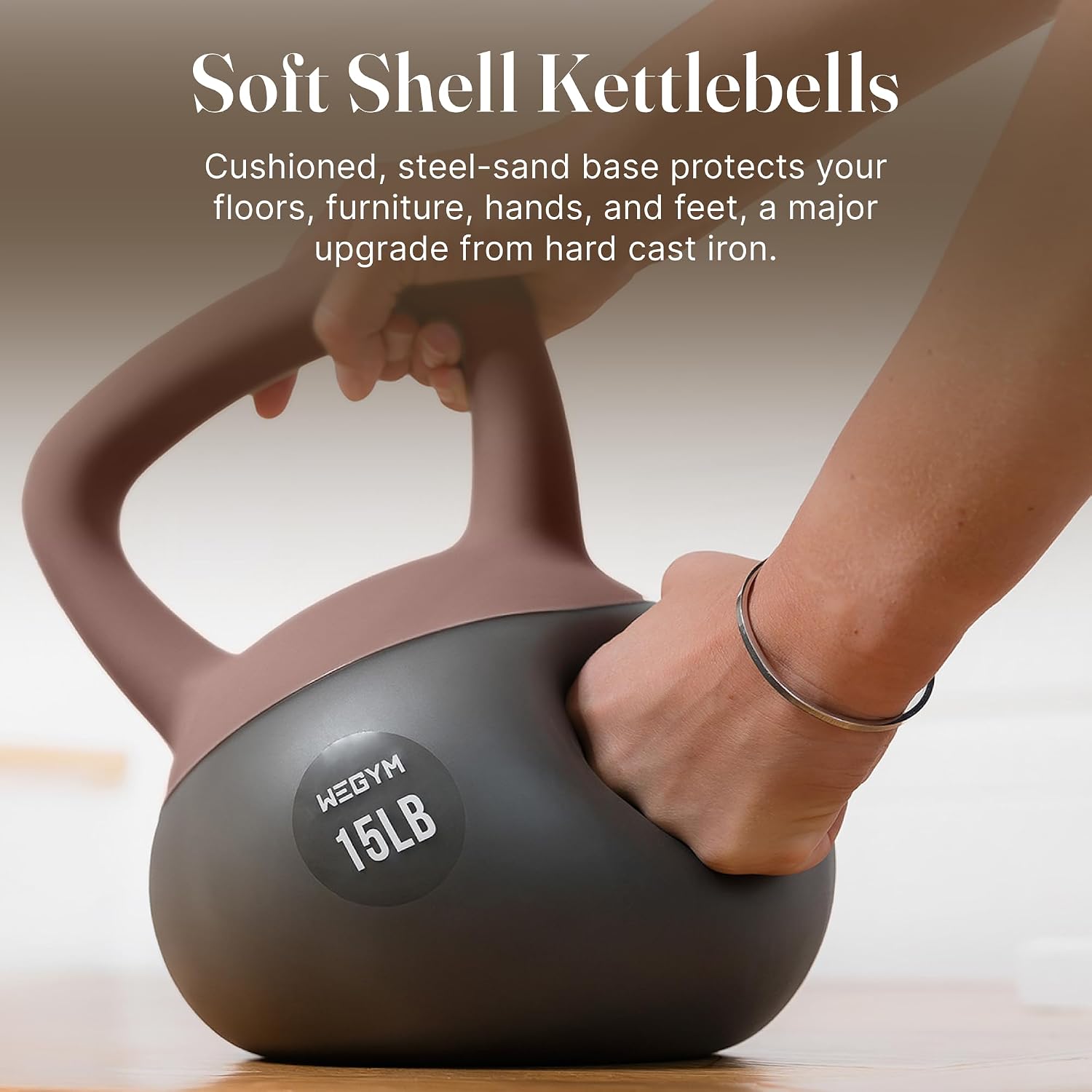
WeGym
$169.99
In stock on Amazon
Check price on AmazonSoft Kettlebells: A Distinct Tool for a Specific Context
Soft kettlebells — designs that replace the iron core with a sand- or steel-shot-filled fabric or PVC shell — are not a direct substitute for cast iron. They are a different tool that happens to share the kettlebell shape. The bell is deformable to the touch, won’t scratch floors under any circumstances, and can contact a bare foot without serious injury risk.
Where soft bells genuinely work: The use profile for soft kettlebells is distinct from traditional training. The convenience factor is real — a soft bell can sit on a living room shelf or dining room table for opportunistic use, which is not something you can do with a 16 kg iron bell without reconsidering your furniture. For new movers learning the hip-hinge pattern, for rehabilitation contexts, for light conditioning in apartment living rooms — soft bells serve these use cases authentically. There are no floor protection concerns regardless of the surface.
Smell is a real category concern. The shells of soft kettlebells are often constructed from PVC or neoprene compounds, and new units can off-gas a noticeable chemical smell. This typically dissipates within days to weeks in a ventilated space and is not considered a health hazard at normal exposure levels by standard product safety guidelines, but it is unpleasant enough to be a recurring complaint in this category. If smell sensitivity matters in your space — a bedroom, a small apartment — checking recent buyer reviews specifically for smell mentions before purchasing is worthwhile. Airing the bell outside or in a ventilated garage for a few days before bringing it indoors is the standard mitigation.
Honest limitations for serious training. Soft kettlebells have real constraints for ballistic work. The deformable shell absorbs some of the kinetic feedback that bare iron transmits through your grip during swings and cleans — feedback that helps trained practitioners maintain proper timing and tension. The American Council on Exercise’s kettlebell training materials (ACE Fitness, acefitness.org) emphasize consistent bell behavior during the float phase of a swing; a slightly compressible shell introduces a variable that serious practitioners generally prefer to eliminate. For foundational movements, light conditioning, and mobility work, soft bells are effective. For heavy swings, snatches, and progressively loaded strength work, the format has a ceiling.
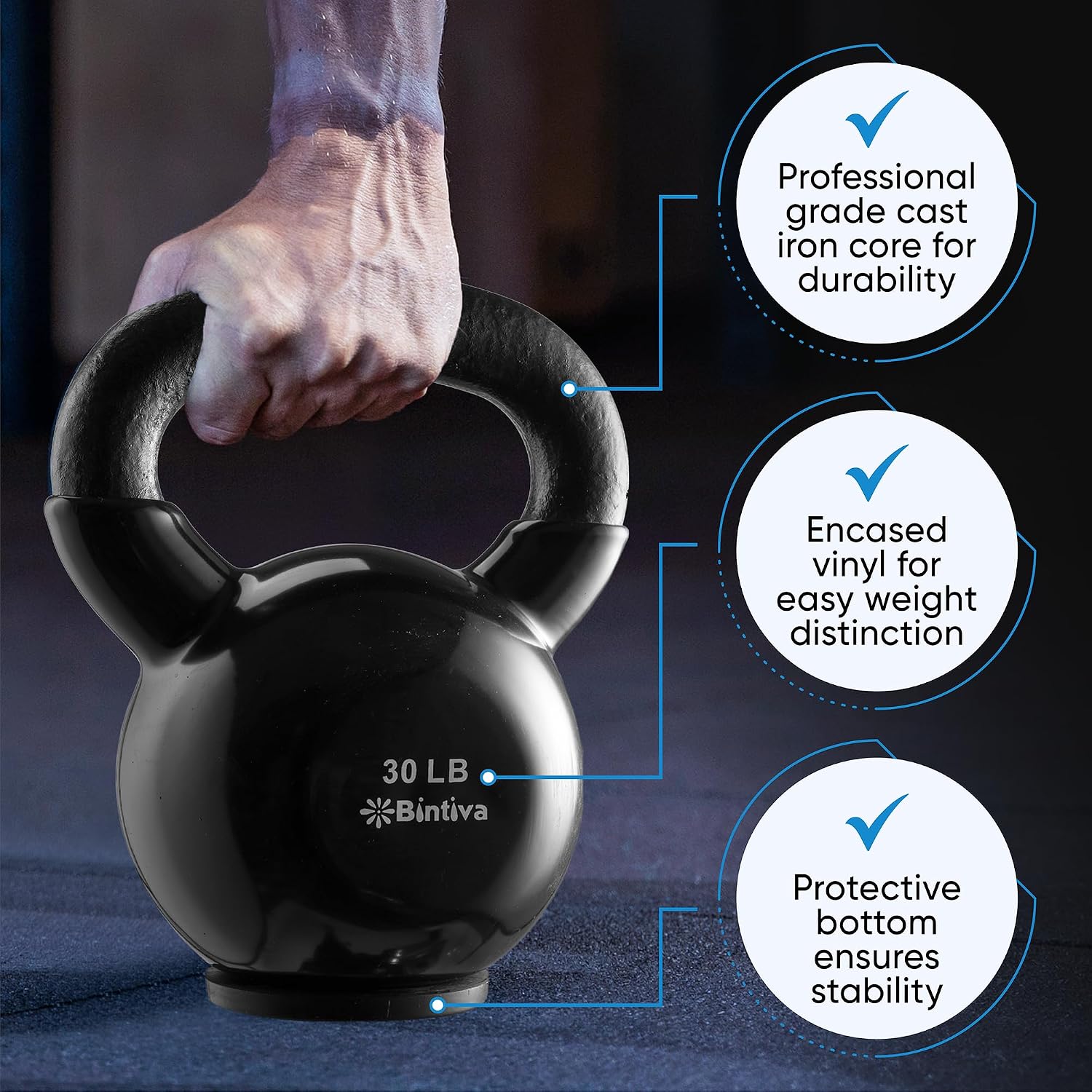
Kettlebell
$318.24
In stock on Amazon
Check price on AmazonSide-by-Side: What Each Format Delivers
| Feature | Bare / Powder-Coat Cast Iron | Neoprene / Vinyl Coated | Soft Shell (Fabric/PVC) |
|---|---|---|---|
| Floor Safety | Low — needs mat | High | Excellent |
| Grip (Dry) | High | Medium | Medium |
| Grip (Sweaty) | High | Medium | Medium |
| Ballistic Suitability | Excellent | Good | Limited |
| Noise at Set-Down | High | Low | Very Low |
| Smell Risk (New) | Low | Medium | Medium–High |
| Long-Term Durability | Excellent | Good (can delaminate) | Moderate |
Frequently Asked Questions
Will a cast iron kettlebell scratch or dent my hardwood floors? Yes — bare cast iron dropped or dragged on hardwood will leave marks. Even a careful set-down can chip floor finish over time. The practical solution is a rubber mat underneath your training area. A 3/8-inch rubber gym tile under your working space protects floors and costs less than refinishing a single room.
Do neoprene-coated kettlebells feel different to grip than bare cast iron during swings? They do. Neoprene is smoother than cast iron, which becomes more relevant as your hands warm up and perspire. For slow, controlled movements the difference is minor. For high-rep swings, bare iron is more secure without chalk. If you train with coated bells, chalk or lifting chalk alternatives help close the grip gap.
Are soft kettlebells actually effective for real workouts or are they just novelty items? Effective for their intended use case — light conditioning, learning movement patterns, apartment-friendly training, and beginner workouts. Not a replacement for iron in serious progressive loading or ballistic training. Think of them as a legitimate entry-level and convenience tool, not a permanent substitute.
Why do some kettlebells smell strongly when new — is it safe? The smell comes from off-gassing of PVC, neoprene, or rubber compounds used in coatings and soft shells. It typically fades within days to a few weeks in a ventilated space and is not considered a meaningful health risk at normal indoor exposure. Airing new bells outside or in a well-ventilated garage for a few days before bringing them into a living space is the standard mitigation.
Does color-coding on coated kettlebell sets actually help during workouts? Yes, practically. Color-coding reduces the cognitive load of identifying bells mid-circuit, which matters more than it sounds when you’re fatigued. In multi-person households, it also prevents weight confusion. It is a real workflow benefit, not just aesthetic.
How does powder coat hold up over time compared to neoprene or vinyl coating? Powder coat is more durable for high-use ballistic training — it’s a baked-on finish that bonds to the iron, and while it can chip with repeated drops on concrete, it doesn’t peel or crack the way neoprene can after years of daily use. Neoprene and vinyl coatings are softer, more prone to tearing at the seams around the handle junction, and can delaminate with heavy use. Wirecutter’s Best Kettlebells coverage (nytimes.com/wirecutter) consistently favors powder-coat for long-term home gym durability over coated alternatives.
The Decision Rule
If you’re training on rubber mats or dedicated gym flooring and want the best grip for ballistic work: bare cast iron or powder-coat is the right call. It outperforms in the movements that build the most fitness, and nothing else matches its long-term durability per dollar.
If you’re in an apartment, training on hardwood, or sharing a space where noise matters: a neoprene or vinyl-coated bell solves real environmental problems. The grip tradeoff is manageable with chalk, and the floor and acoustic protection compounds across every session.
If you’re just starting out, learning movements, or want a bell you can leave in a living room without worrying about floor damage or accidental contact: a soft kettlebell is a legitimate tool for exactly that context. Buy it for what it is — a convenient, safe entry point — rather than as a stepping stone to iron.
If you’re building a multi-weight set for a household: color-coded coated sets make day-to-day use smoother. The floor protection and color identification benefits compound meaningfully once you have three or more weights in rotation.
The finish is not a status marker. It is an environmental fit decision. Match the material to the floor under your feet and the movements in your program, and you will get full value out of whichever format you choose.