July 14, 2026 • Brian Webb • 8 min reading time • Prices verified June 29, 2026
Foam Rollers for Home Gym Recovery: How Density, Length, and Texture Change What You Actually Feel
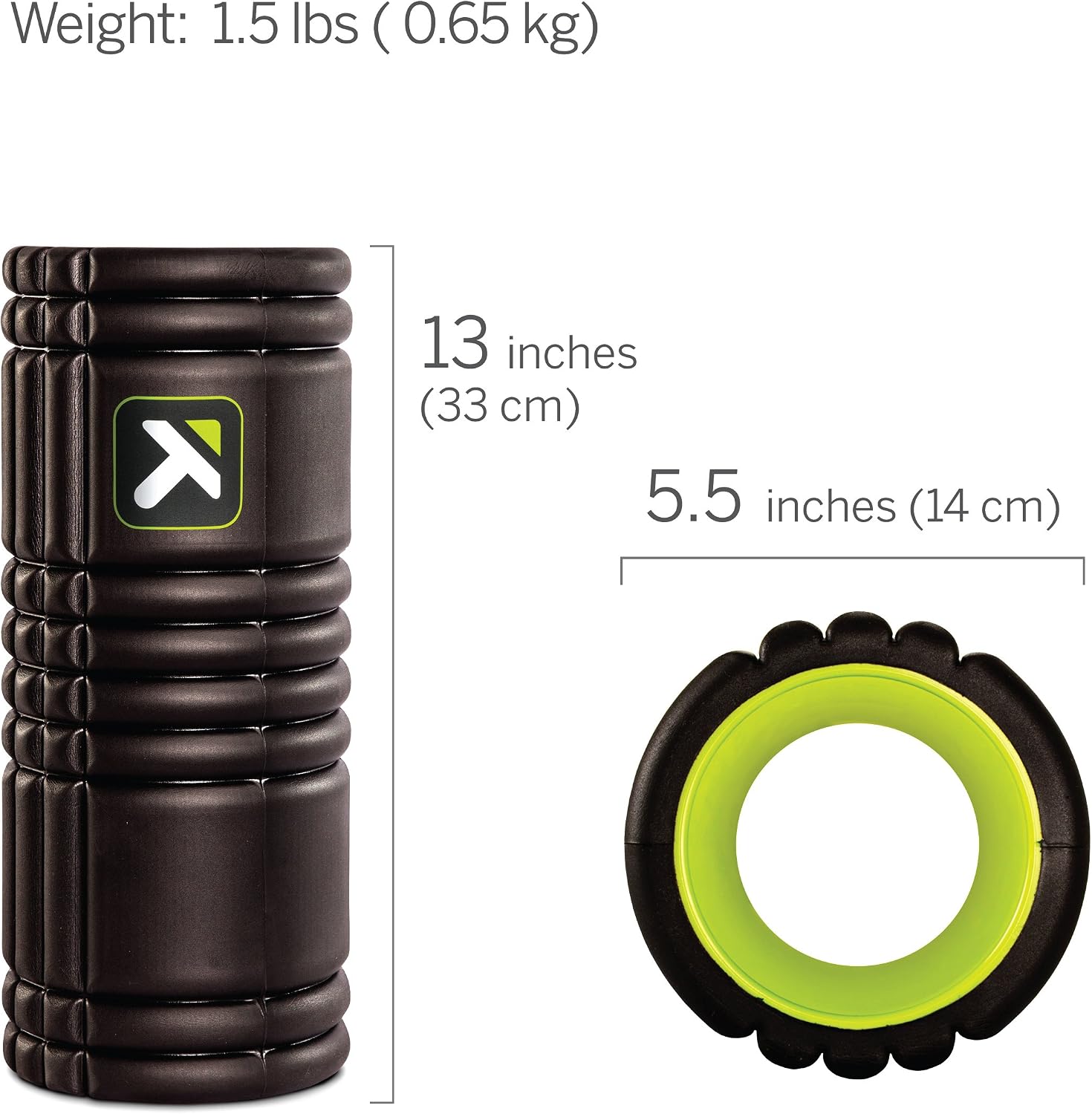
A foam roller is exactly what it sounds like: a cylinder of dense foam — roughly the size of a paper towel roll to a yoga bolster — that you press your body weight against and slowly roll over sore or tight muscles. The idea is called self-myofascial release (SMR for short — think of it as a DIY deep-tissue massage for the connective tissue that wraps your muscles). Pressure applied through rolling helps relax muscle tension, improve short-term range of motion before a workout, and speed up the “my legs feel like concrete” sensation after a hard session. According to a Health Harvard Publishing overview on foam rolling, consistent use is associated with reduced delayed-onset muscle soreness — the scientific name for that stiffness that peaks 24–48 hours after a tough workout. The catch: foam rollers are not all the same material pressed into the same shape, and choosing the wrong one for your body or your training stage is a genuinely common mistake. This guide will walk you through exactly what those differences mean, with clear tradeoffs and a decision framework at the end.
Why Density Is the Most Important Variable Nobody Explains
When you pick up a foam roller in a store or scroll through product listings, the measurement you’ll almost never see advertised loudly is density — how tightly packed the foam material is, usually expressed as soft, medium, or firm. It matters more than length, more than color, and arguably more than surface texture.
Here’s why: a soft-density roller (think the squishier, often white rollers sold in big-box stores for around $10–$15) gives under pressure more easily. Your body weight doesn’t sink into a focused point — the foam spreads the pressure broadly. For a complete beginner, someone recovering from an injury, or anyone with acute soreness who just finished their first week of training, this broad, gentler pressure is actually appropriate. ACE Fitness’s self-myofascial release guidance notes that pressing into acutely painful or inflamed tissue aggressively can increase soreness rather than reduce it, and a softer roller self-moderates that risk.
A firm-density roller — the EVA foam construction used in rollers like the TriggerPoint GRID or the Rumble Roller — compresses very little. Your body weight concentrates into a smaller contact patch, which means more pressure per square inch, which means more intense sensation. Owners across aggregated reviews consistently describe their first session on a firm roller as “surprisingly intense” or even “uncomfortable in a productive way.” That’s not a red flag — it’s the intended effect. The firmness is what lets the roller actually penetrate through the superficial muscle tissue to reach deeper layers.
The practical rule: if you’re new to rolling, start with medium density and work your way firmer as your tolerance builds. Jumping straight to the firmest option because it looks more “serious” is how you end up avoiding the roller entirely after one bad session.
Length Changes What You Can Actually Roll — and Where It Lives in Your Space
Standard foam roller lengths run in three practical tiers:
- 12–18 inches (short): Highly portable, fits in a gym bag or a shelf drawer. Best for targeted work — calves, IT band (the connective tissue running along the outside of your thigh), shins, and forearms. Limited usefulness for upper back work because you can’t keep the roller perpendicular to your spine.
- 24 inches (mid-length): The most common all-around size. Works for most lower-body rolling and can handle upper-back passes with some body positioning adjustment. Fits easily against a home-gym wall.
- 36 inches (full-length): The go-to for thoracic (upper and mid-back) work, where you want the roller to span your full shoulder width. Also useful for core stability exercises that use the roller as an unstable surface. Takes up more floor real estate — worth noting for a tight garage or spare-bedroom gym.
Men’s Health’s roundup of foam rollers notes that most home-gym users benefit most from a 24-inch medium-density option as a first purchase, with a shorter or firmer unit added later for specific needs. That’s a reasonable starting framework. If your main goal is upper-back decompression after desk work, go straight to 36 inches and skip the mid-length.
By the Numbers
| Length | Best Use Case | Footprint (stored upright) | Approximate Price Range |
|---|---|---|---|
| 12 in. | Travel, calves, targeted spots | Negligible | $10–$20 |
| 24 in. | All-around home-gym use | Moderate | $20–$45 |
| 36 in. | Upper back, stability work | Full mat edge | $30–$60 |
Prices reflect general market range as of mid-2026. Specific product prices vary.
Texture: Smooth vs. Grid vs. Ridged vs. Knobbed
This is the variable that confuses people the most in product listings, because it looks like it changes everything when it mostly changes specificity — how targeted the pressure is.
Smooth-surface rollers apply even pressure across the entire contact point. This is forgiving, predictable, and ideal for beginners or for large muscle groups like the quads or hamstrings where broad coverage is the goal.
Grid-pattern rollers — the surface pattern you’ll see on the TriggerPoint GRID line — feature a raised channel pattern that creates varying zones of softer and firmer pressure as you roll. The effect is slightly more targeted than smooth, without being as intense as full knobs. Across aggregated reviews, owners tend to describe the grid pattern as the right middle ground for regular use on most muscle groups.
Ridged or multi-zone rollers take this further: alternating rings of firm and softer material create a more pronounced massage sensation. Good for experienced rollers who want more bite on stubborn spots like the thoracic spine or the lateral hip.
Knobbed or “rumble” rollers — the most aggressive category — have pronounced raised knobs that dig into the spaces between muscle fibers in a way that approximates trigger-point work (focused pressure on small, tight knots in the muscle). The Rumble Roller is the category’s most referenced option, and owners consistently report it as the most intense rolling experience available short of a massage gun. This is not a beginner tool. Wirecutter’s foam roller review specifically flags knobbed rollers as best suited for experienced users who already know how to roll and are looking to escalate intensity.
The texture decision framework:
- New to rolling → smooth or light-grid, medium density
- 3–6 months of consistent rolling → grid pattern, medium to firm
- Experienced, chasing stubborn tension → ridged or rumble-style, firm
Vibrating Foam Rollers: Worth the Premium or Marketing Noise?
In 2026 the market is saturated with battery-powered vibrating foam rollers — the Hyperice Vyper and its imitators chief among them. They typically run $100–$200, against $20–$50 for a non-vibrating equivalent.
The honest answer, based on the current published research landscape, is: the vibration adds short-term acute benefit for pre-workout range-of-motion improvement, and owners in long-run reviews appreciate the “doing something extra” sensation. But a Health Harvard Publishing piece on foam rolling is candid that the core mechanism — pressure and time on the tissue — is what drives recovery benefit, and a firm non-vibrating roller delivers that at a fraction of the cost. For a first purchase, the vibrating premium isn’t justified by the evidence. For a seasoned home-gym builder who already owns a standard roller and wants a pre-workout warmup tool, the Vyper or similar is a reasonable upgrade spend — not a replacement.
Material Durability: What Happens After Six Months of Daily Use
This is a real consideration that almost never shows up in beginner buying guides. Standard EPE foam (expanded polyethylene — the soft white stuff) compresses permanently over time. Owners consistently report significant flattening and loss of resistance within 3–6 months of daily use. You end up rolling on a lopsided cylinder that no longer delivers even pressure.
EVA foam (ethylene-vinyl acetate — the material in higher-quality rollers) resists compression far better. Manufacturers rate EVA-construction rollers for multi-year durability under regular use. Hollow-core construction (a hard plastic tube inside the foam) adds structural stability and is standard in mid-range and premium options.
If you’re buying a foam roller for a permanent home gym — not just to try rolling out — EVA or hollow-core construction is worth the extra $15–$20 over a basic EPE option. The per-session cost math strongly favors the more durable material.
The Decision Framework: If X, Then Y
If you’ve never foam rolled before and want to try it without commitment: Pick a smooth-surface, medium-density, 24-inch EPE roller in the $12–$20 range. Use it for 2–3 weeks before deciding whether to upgrade.
If you’re building a permanent home gym and want one roller that handles most recovery needs: Go with a 24-inch EVA hollow-core roller with a grid or light-ridged surface, medium-to-firm density, in the $30–$50 range. This is the category the Wirecutter team consistently points toward as the practical all-arounder.
If upper-back and thoracic mobility is your primary goal: Buy the 36-inch smooth or grid roller first, full stop. Length matters more than texture for spinal work.
If you’re an experienced trainer or coach outfitting a small studio: A firm 36-inch EVA roller for general use plus a knobbed or rumble-style roller for clients who need targeted trigger-point work covers the full range without redundancy.
If you’re tempted by a vibrating roller on a first purchase: Hold off. Spend the difference on a quality non-vibrating EVA roller and a resistance band set for mobility work. Revisit vibrating rollers after six months when you have a baseline for what rolling actually feels like.
The foam roller is one of the least expensive pieces of equipment in any home gym and one of the most consistently underused. Getting the density and length right from the start — rather than defaulting to whichever $12 option ships fastest — means you’ll actually use it. And consistent use, even with a mid-range roller, beats a premium roller collecting dust in the corner every time.