September 17, 2026 • Brian Webb • 11 min reading time • Prices verified June 29, 2026
Foam Roller Recovery Sets vs. Single Rollers: When the Bundle Is Worth It
A foam roller is exactly what it sounds like: a firm, cylindrical tube — usually made of dense foam or a hollow plastic core wrapped in foam — that you roll slowly over sore muscles after a workout (or anytime you feel tight). The rolling motion applies gentle pressure to the tissue, a practice called self-myofascial release (SMR for short — “myofascial” just means the thin connective tissue that wraps around your muscles). ACE Fitness, in their resource “Self-Myofascial Release: The Truth Behind Foam Rolling,” describes SMR as a way to reduce muscle tension, improve range of motion, and support faster recovery between sessions. It’s one of the simplest things you can add to a home-gym routine. The question this article answers: should you buy one good roller, or does a bundle set — which typically adds a smaller massage ball, a peanut-shaped double-ball, and sometimes a mini roller — actually deliver more value? The answer depends on your body, your goals, and how honest you’re willing to be about which tools you’ll actually reach for.
What a Bundle Set Actually Contains (And What Each Piece Does)
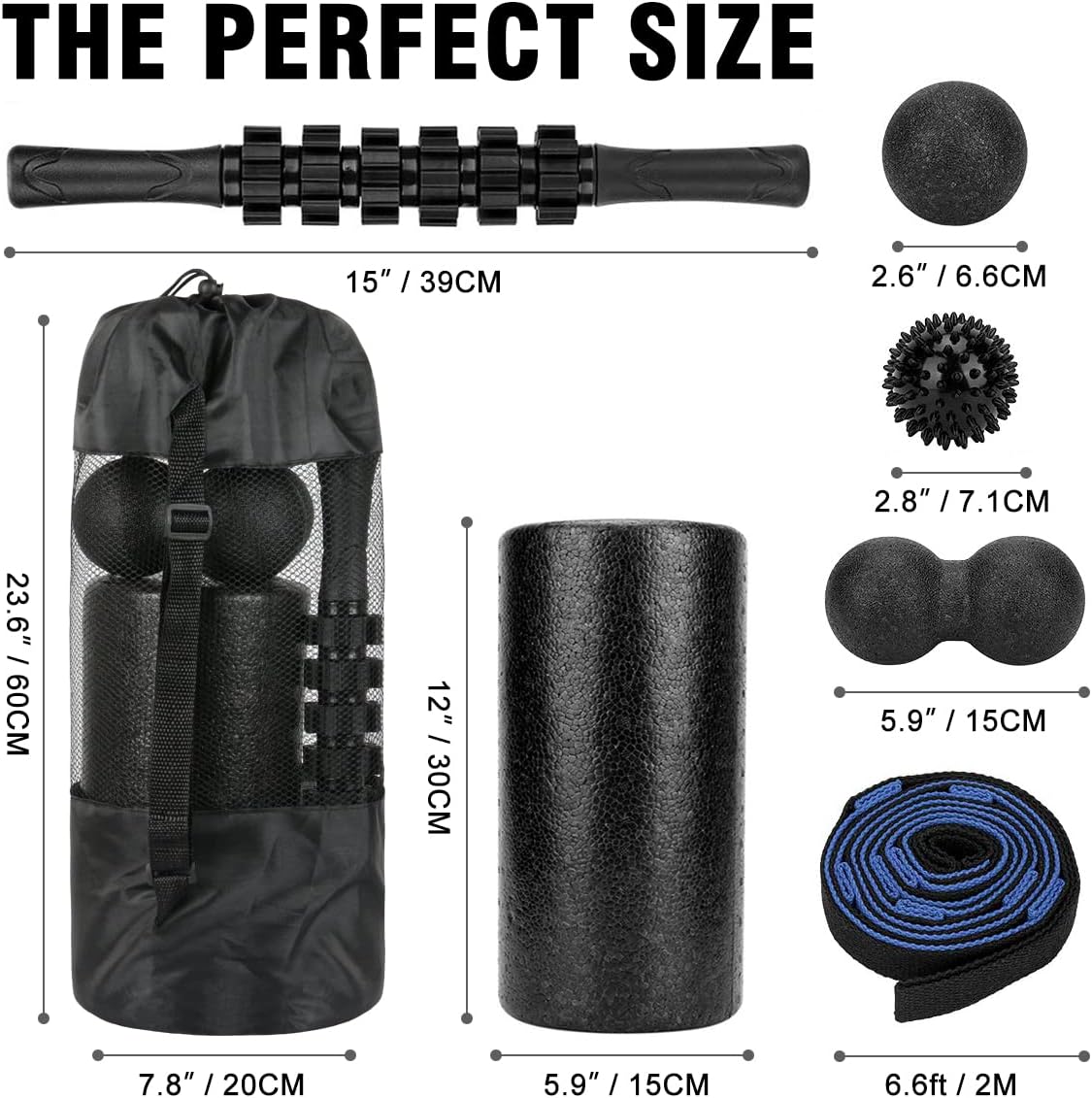
Most mid-market foam roller sets sold in 2026 follow a predictable template: one full-size roller (usually 12–18 inches), one massage ball (roughly tennis-ball size), sometimes a peanut ball (two balls fused together), and occasionally a short 12–13 inch travel roller. Prices for the complete bundle typically land between $25 and $55, while a single quality roller of the same density runs $15–$40 on its own.
Here’s the quick breakdown of each tool’s intended job:
| Tool | Target area | Can a single roller replicate it? |
|---|---|---|
| Full-size roller (24 in.) | Full back, hamstrings, quads, IT band | Yes — this is the workhorse |
| Short roller (12–13 in.) | Calves, shins, travel use | Partially — a long roller works, just awkward |
| Massage ball | Glutes, shoulder blade, plantar fascia | No — a roller can’t get into tight corners |
| Peanut ball | Either side of the spine simultaneously | Partially — two balls taped together DIY works, roughly |
The honest read from aggregated owner reviews across platforms: most people use the full-size roller heavily, reach for the massage ball occasionally (especially for glutes and the arch of the foot), and leave the peanut ball in the bag more often than they’d like to admit. Reviewers consistently describe bundles as offering “plenty of options” — but that phrase is doing some real work. “Plenty of options” and “I use all of them regularly” are not the same sentence.
The Density Question: Soft, Medium, or Firm
Before comparing bundles to singles, you need to understand density, because it determines whether any roller — bundled or not — will be useful for your body.
Soft density rollers compress significantly under body weight. They feel gentle, almost like a cushion. Softer rollers are better suited for people new to SMR, those recovering from injury, or anyone with heightened sensitivity to pressure. Owner reviews for soft-density rollers paint a very specific picture: rollers in this category are repeatedly chosen by people citing fibromyalgia, neuropathy, and post-surgical recovery, including total knee replacements. For this group, softness isn’t a compromise — it’s a non-negotiable medical preference. If that’s you, a bundle that comes with only medium-density tools is not a good match for your needs.
Medium density is the most common in bundle sets and the best entry point for someone with no injuries and no prior rolling experience. One recurring note worth flagging from owner reviews of mid-sized rollers: multiple reviewers mention wishing the roller were 3–4 inches wider in diameter, which affects how stable the surface feels when you’re first learning to balance your body weight over it. If you’re comparing specs, a slightly larger diameter (4–6 inches vs. the standard 3.5 inches) gives you more surface contact and a more forgiving learning curve.
Firm density rollers are the most polarizing. New users sometimes find them too intense and back off. What’s interesting is that owner reviews describe a deliberate progression — starting on a softer model and consciously graduating to a firmer one once tissue tolerance builds. This is a real upgrade path, not just marketing. If you’re starting from zero, a firm-density bundle is probably ahead of where your body is right now. Start medium, earn firm.
By the numbers:
- Soft roller: 10–20 PSI of resistance before compression
- Medium roller: 25–35 PSI (the standard “home use” range per most manufacturer specs)
- Firm/hollow-core roller: 40+ PSI; little to no compression under a 150–200 lb user
Comparing Your Options: Single Roller, Budget Bundle, and Premium Bundle
Single Roller — For Focused Needs and Medical Sensitivities
TriggerPoint
$29.99
In stock on Amazon
Check price on AmazonThe case for buying a single roller instead of a bundle is cleaner than it might seem.
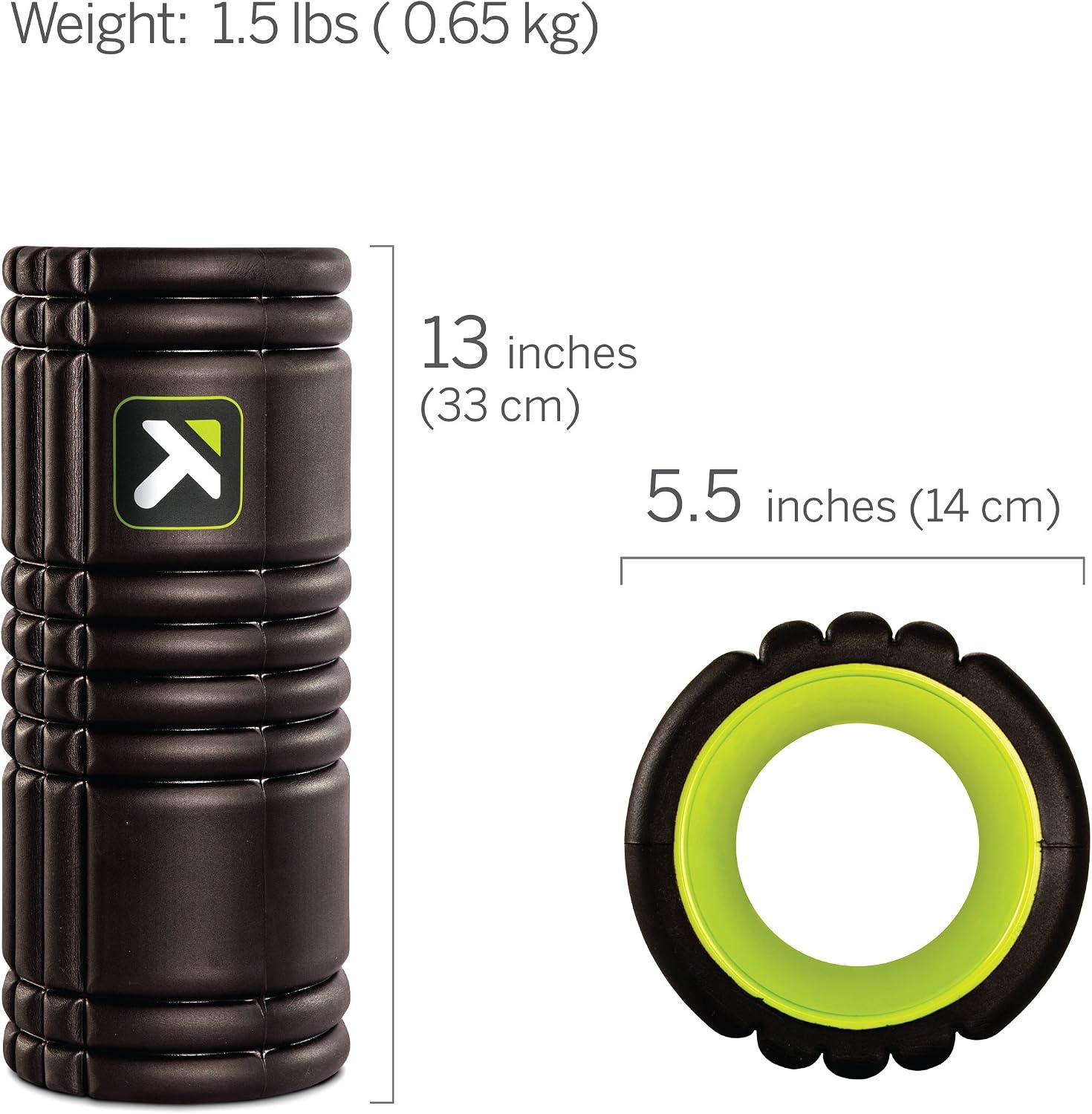
If you have a specific medical condition or heightened sensitivity, a bundle set is almost certainly the wrong purchase. Soft-density rollers sold as a single tool serve an audience that needs exactly that density, in exactly that size, and nothing else. Adding a firm massage ball to the package would be counterproductive. Same logic applies to post-surgical recovery: you’re not cross-training your recovery tools.
If you travel frequently, a 13-inch firm roller has developed a genuine secondary identity as a travel roller. Owners cite it specifically for hiking retreats and long road trips — the shorter length fits in a duffel or a checked bag without dominating the packing space. A full bundle won’t survive a carry-on.
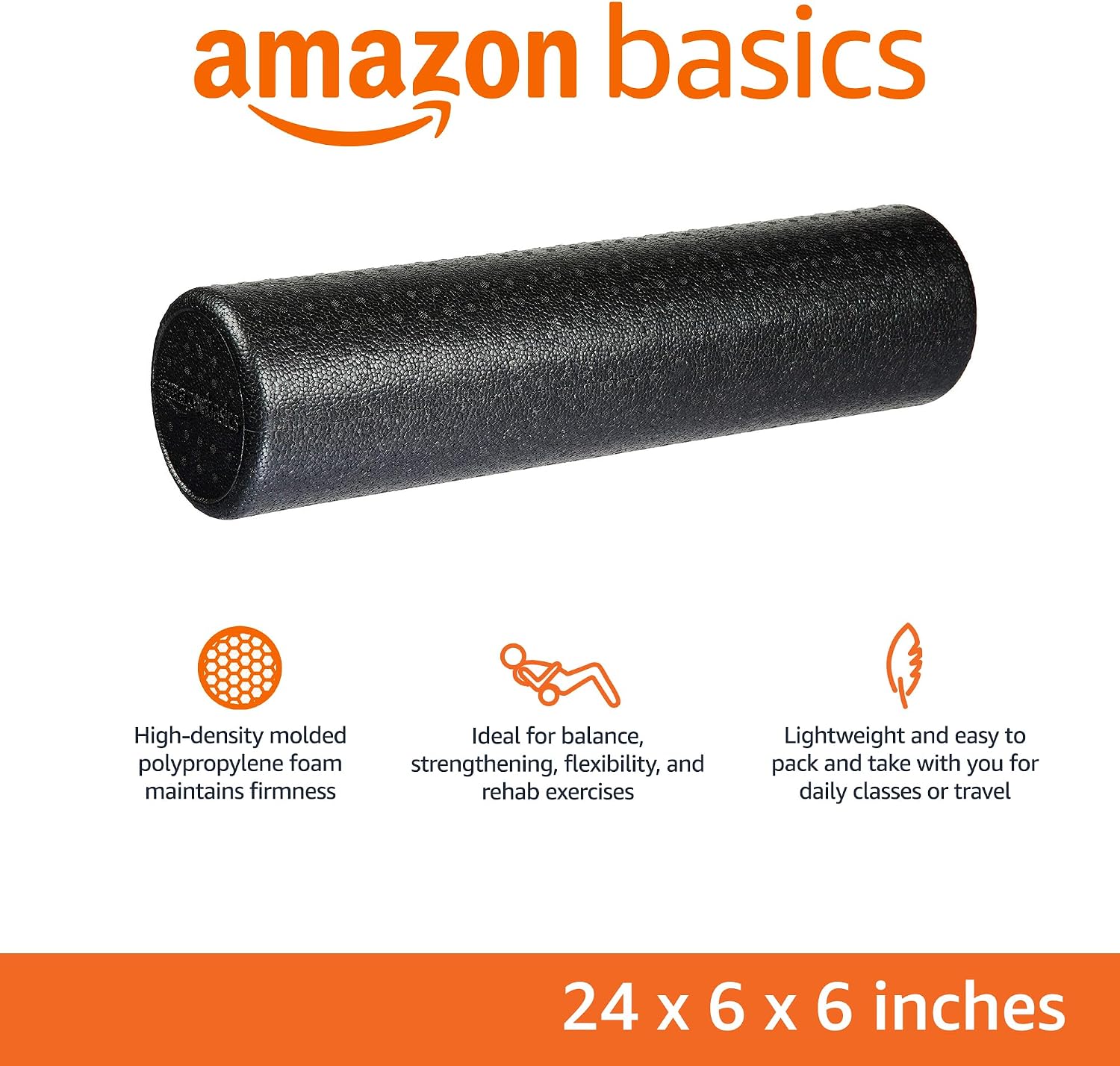
If your budget is tight, a single well-made medium-density 24-inch roller handles 80% of what most people need. A full-length 24-inch roller covers the full back in a single pass without repositioning — a functional advantage that bundle sets sometimes sacrifice by defaulting to a shorter main roller to keep the package price low.
Wirecutter, in their regularly updated guide “The Best Foam Rollers” (New York Times, Wirecutter), consistently recommends starting with a single medium-density full-length roller before committing to a bundle — sound advice for anyone who isn’t sure yet how much rolling they’ll actually do.
Amazon
$16.99
In stock on Amazon
Check price on AmazonBudget Bundle Sets — Decent Value When the Extras Get Used
Amazon
$16.99
In stock on Amazon
Check price on AmazonA budget bundle in the $25–$35 range typically includes a medium-density 12–18 inch roller, a small massage ball, and sometimes a peanut ball. The value proposition is straightforward: you get more surface options for a modest price premium over a single roller.
The honest limitation: budget bundles often compromise on the main roller’s length (12–13 inches instead of 24 inches) to keep total cost down. If most of your rolling is on the upper back, hamstrings, or quads, that shorter main roller will frustrate you quickly. Owner reviews of budget sets frequently cite this as the primary disappointment — the accessories are fine, but the core roller undersells the whole package.
Budget bundles earn their price when your needs are specifically for smaller muscles and accessory tools — glutes, calves, foot arch — and you’re not relying on the main roller for broad surface coverage.
Amazon
$16.99
In stock on Amazon
Check price on AmazonPremium Bundle Sets — When the Accessories Genuinely Fill a Gap
TriggerPoint
$74.99
In stock on Amazon
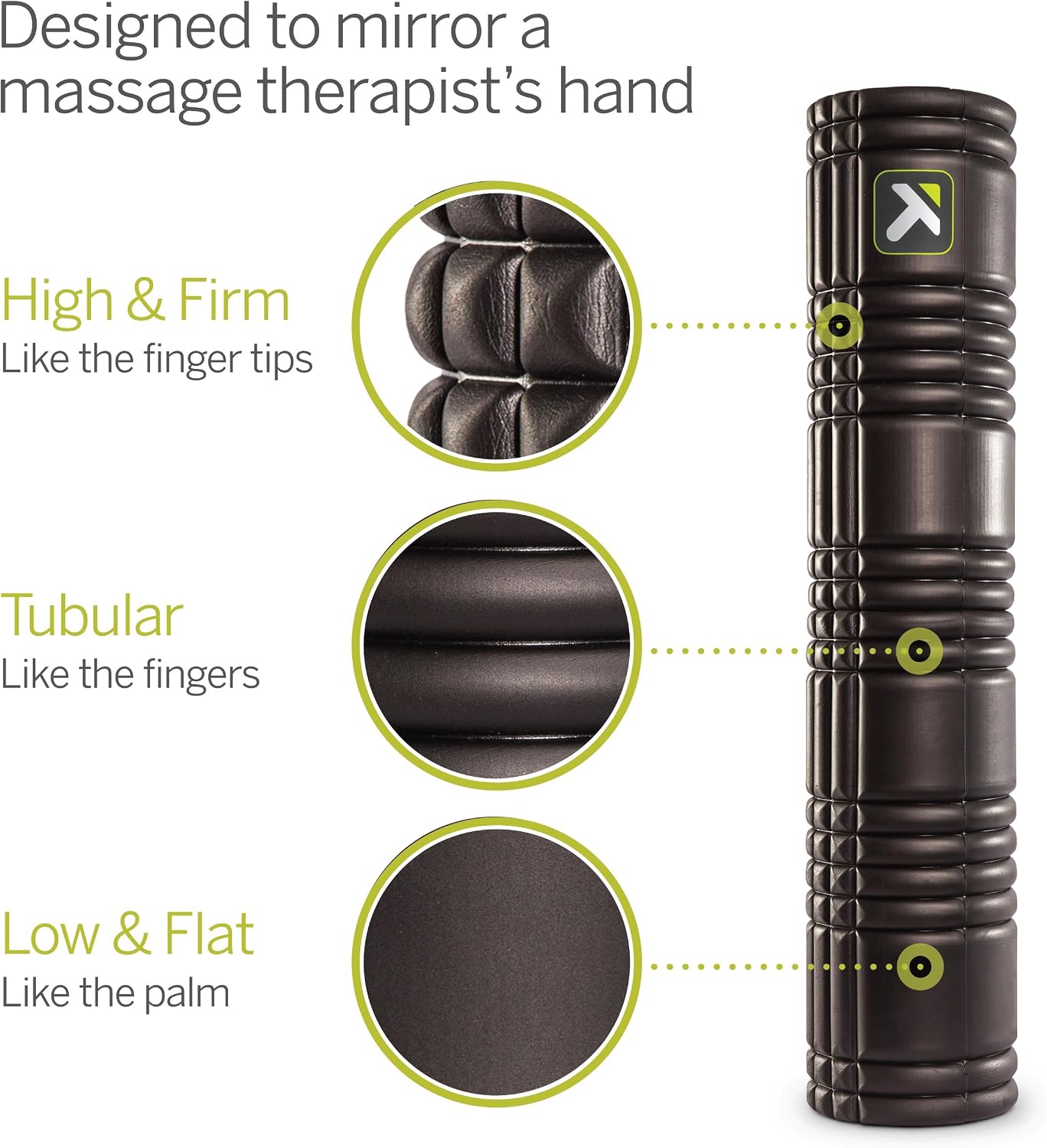
Check price on AmazonThe case for a premium bundle ($40–$55 range, typically with a full 24-inch medium or firm roller plus a quality massage ball and peanut ball) flips when you have specific needs the accessories genuinely fill.
The massage ball — the small, firm sphere included in most sets — does something a roller physically cannot: it gets into corners. The piriformis muscle (deep in your glute, near the hip socket) is notoriously difficult to address with a flat rolling surface. You can approximate it, but sitting on a massage ball and slowly shifting your weight isolates that spot with a precision a roller won’t match. If you sit at a desk for long hours before evening workouts, owners consistently report the massage ball becoming their most-used item in the set within the first two weeks.
The plantar fascia — the connective tissue running along the bottom of your foot — is the other clear massage-ball win. Harvard Health Publishing, in their guidance on foam rolling and back pain, notes that foot and arch tension is a common contributor to lower back and hip tightness because the body’s fascial lines are connected. Rolling a small ball under your foot while standing is a two-minute habit that reviewers describe as genuinely changing how their calves and hamstrings feel during workouts.
A hollow-core construction in the main roller (the kind that uses a rigid plastic interior rather than solid foam throughout) also adds meaningful longevity. Hollow-core rollers last significantly longer than solid-foam models because the core doesn’t compress over time — only the surface texture wears. Solid EVA foam rollers from mid-market brands typically show noticeable softening after 12–24 months of regular daily use. Budget solid-foam rollers can go noticeably softer within 6–9 months if used daily. If longevity matters to you, the hollow-core construction found in premium bundles is worth the price premium.
TriggerPoint
$74.99
In stock on Amazon
Check price on AmazonThe Decision Frame: Which Buyer Are You?
| Your situation | Best choice |
|---|---|
| New to rolling, no injury, tight budget | Single 24-inch medium-density roller |
| Desk job, hip tightness, glute soreness | Bundle with massage ball |
| Fibromyalgia, neuropathy, post-surgical | Single soft-density roller only |
| Traveler who rolls on the road | Single short-format firm roller |
| Want long-term durability + accessories | Premium bundle with hollow-core main roller |
Frequently Asked Questions
Is a soft foam roller too soft to actually do anything useful? Not for the right person. Soft-density rollers are genuinely effective for people with fibromyalgia, neuropathy, or post-surgical sensitivity — conditions where firmer pressure causes pain rather than relief. ACE Fitness notes in their SMR resources that the technique works across a range of pressure levels; what matters is that the pressure is tolerable enough to let the tissue relax. If you white-knuckle through a firm roller, you’re defeating the purpose.
What is the difference between a 13-inch and 24-inch roller for back pain? Length determines how much of your back you can address in a single position. The 24-inch roller covers the full width of your upper back in one placement, which makes it easier to work through thoracic mobility without constant repositioning. The 13-inch version is better for portability and targeted work on calves or a single hip area. For back pain specifically, most owners and physical therapists favor the longer option.
Can a foam roller help with lower back pain specifically? With an important caveat: Harvard Health Publishing advises against rolling directly on the lumbar spine (your lower back). The lower back lacks the same rib-cage support as the upper back, and direct pressure on the lumbar vertebrae can aggravate rather than relieve pain. The correct approach is to roll the muscles alongside the spine — the erectors and quadratus lumborum — or to address the hips and glutes, which are frequent root causes of lower back tension. A massage ball is often more useful here than a full roller.
Should I start with soft or medium density if I have no experience? Medium, unless you have a medical reason to go softer. Soft rollers can feel so low-resistance that you don’t get enough feedback to know whether you’re on the right spot. Medium gives you enough pressure to feel the muscle releasing without being overwhelming. Most beginners without specific sensitivities can start at medium and stay there indefinitely.
Do the massage balls in a bundle set actually work differently than a roller? Yes, mechanically. A roller applies pressure across a broad, flat surface. A ball concentrates pressure on a small point, which allows it to reach muscles that are too deep or too narrow for a roller to address. The piriformis, the tissue around the shoulder blade, and the plantar fascia all respond better to a ball than a roller. They’re not redundant — they’re complementary. Whether you’ll actually use the ball is a separate question, but it is a genuinely different tool.
How long does a quality foam roller last before it goes soft? It depends heavily on density and build. Hollow-core rollers last significantly longer than solid-foam models because the core doesn’t compress over time. Solid EVA foam rollers from mid-market brands typically show noticeable softening after 12–24 months of regular daily use. Budget solid-foam rollers can go noticeably softer within 6–9 months if used daily. If longevity matters to you, hollow-core construction is worth the price premium, even in a bundle.
The Bottom Line
If you’re new to foam rolling, have no injury considerations, and want the most versatile setup for under $40: buy a single 24-inch medium-density roller first. Use it for 4–6 weeks. If you find yourself wishing you could get into your glutes or the arch of your foot more precisely, add a massage ball — or buy the bundle at that point knowing you’ll actually use it.
If you have desk-job hip tightness, plantar fascia issues, or glute soreness that a roller can’t seem to reach: a premium bundle set earns its keep. The massage ball isn’t filler in that case — it’s the tool you’ll use most.
If you have a medical sensitivity to pressure: buy the appropriate soft-density roller as a single unit. Don’t let a bundled firm massage ball sit unused and make you feel like you bought the wrong thing.
Buy the tool that matches the problem you actually have. The bundle is only worth it when you’d genuinely miss the accessories.