August 5, 2026 • Brian Webb • 10 min reading time • Prices verified June 29, 2026
Foam Roller Density Showdown: Soft vs. Medium vs. Firm for Real Recovery Results
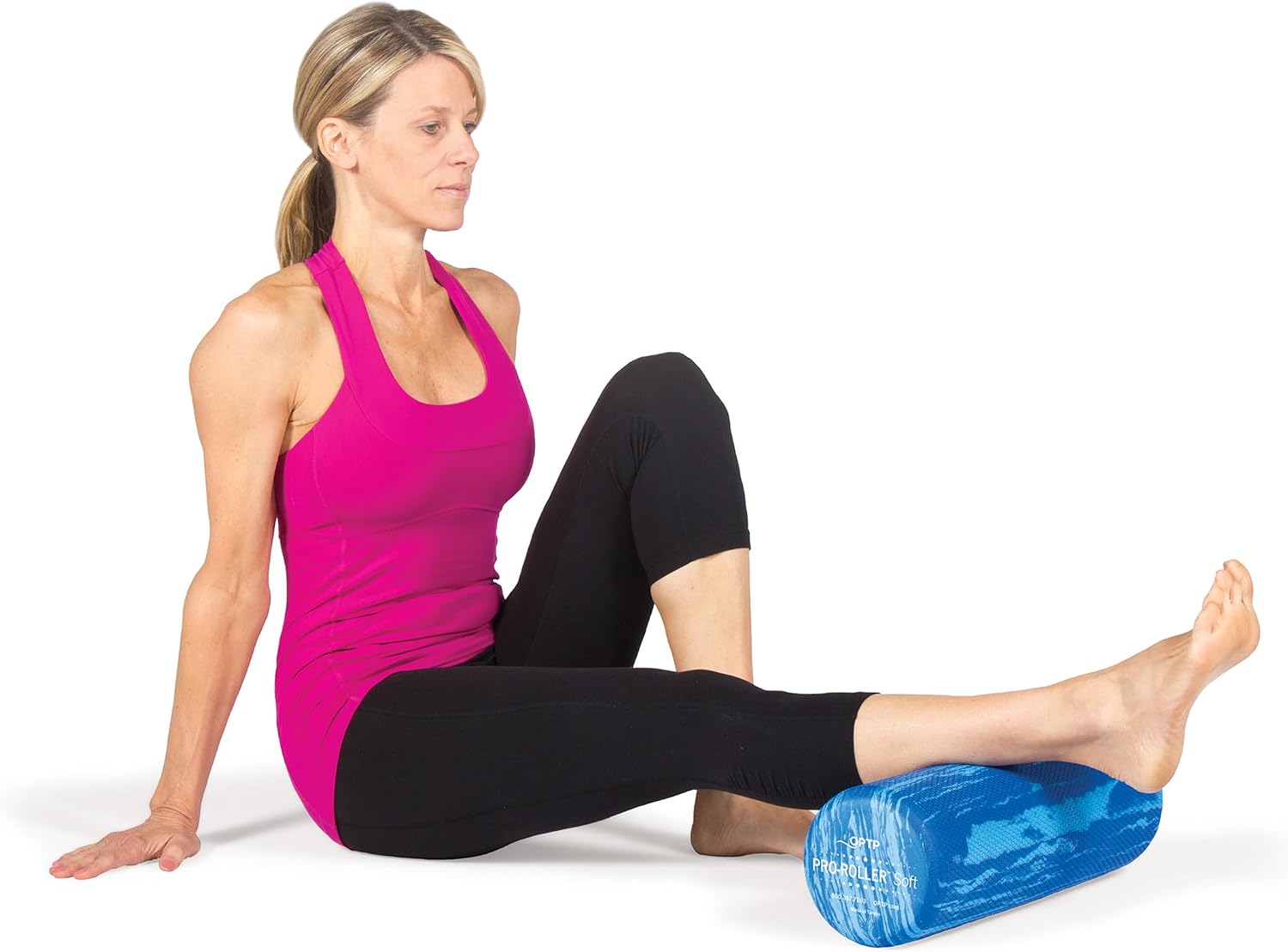
A foam roller is exactly what it sounds like: a cylinder of dense foam that you lie on or press against to massage your muscles after — or before — a workout. The technique is called self-myofascial release (SMR), a clinical term for using sustained pressure to loosen tight spots in muscle tissue the way a massage therapist would with their hands. Done consistently, it helps reduce soreness, improve how freely your joints move, and support the day-to-day recovery that makes regular training sustainable. The catch? Foam rollers come in wildly different densities — soft, medium, and firm — and buying the wrong one for your situation is the single most common mistake buyers make. This guide will help you match density to your actual recovery goals, whether you’re brand new to rolling or you’ve owned one roller and quietly wondered if there’s something better suited to your body.
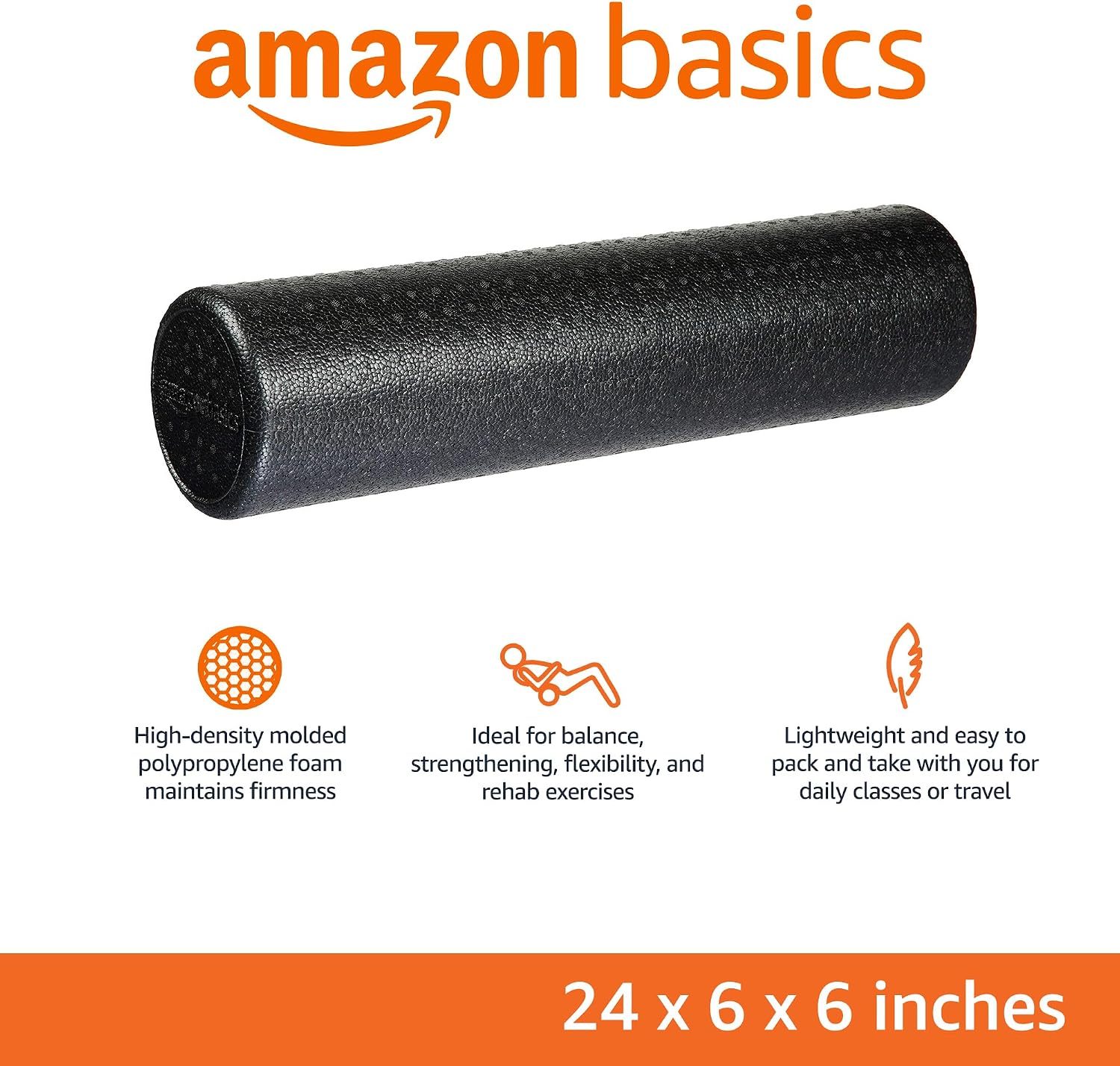
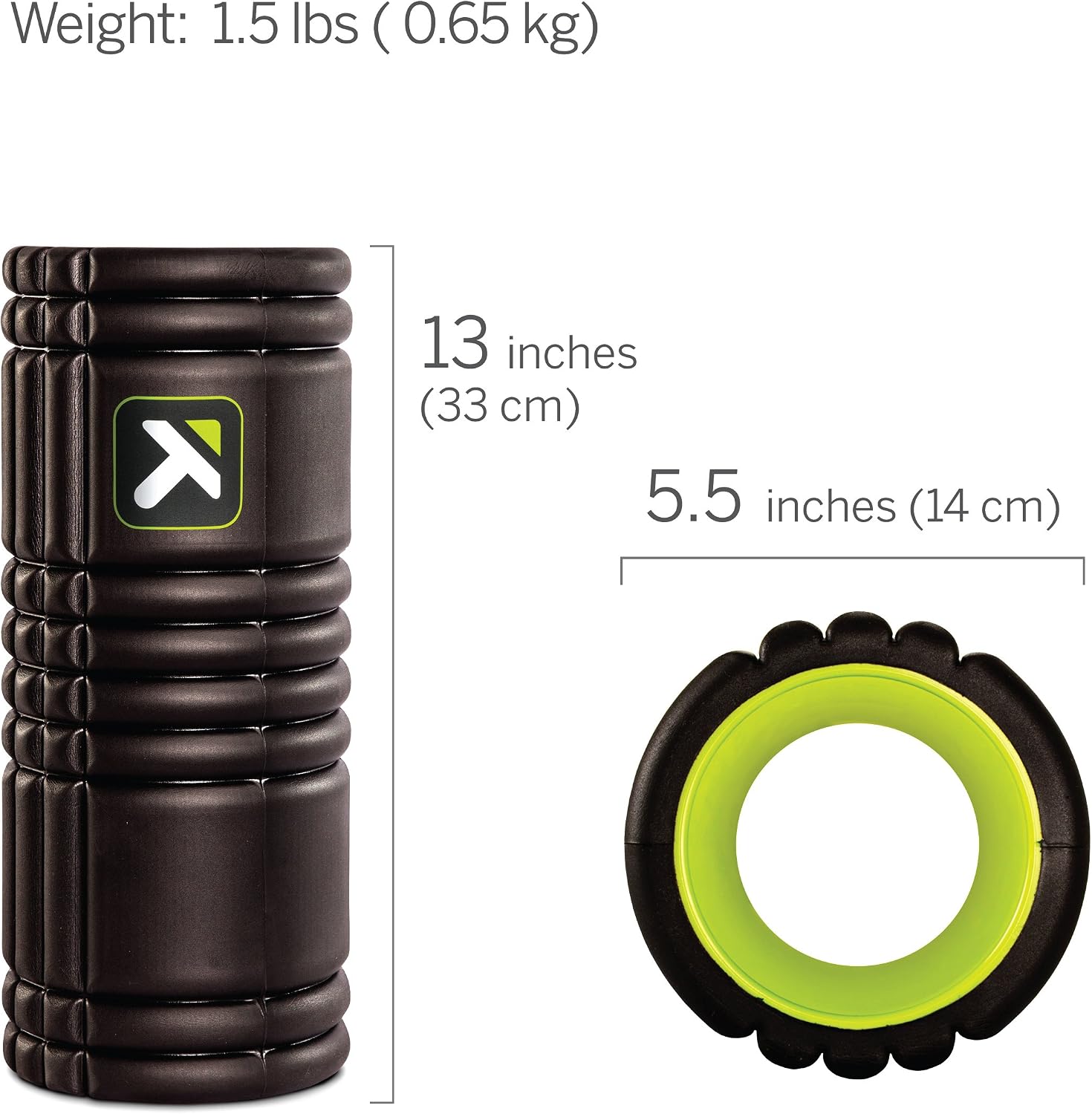
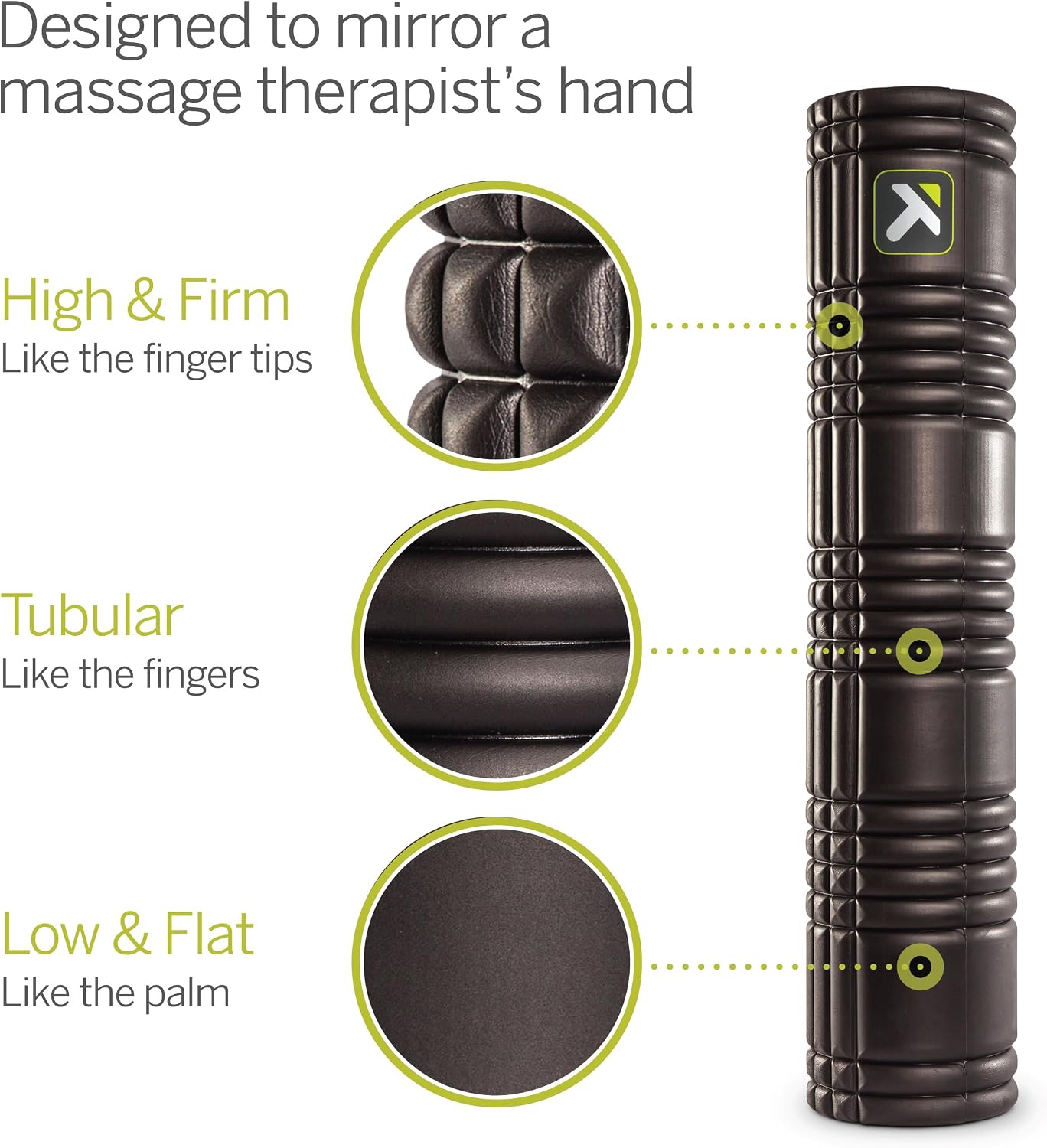
| EDITOR'S PICKTriggerPoint Grid 2.0 Foam Roll… | Mid-tierTriggerPoint Grid 1.0 Foam Roll… | Budget pickAmazon Basics High Density Foam… | |
|---|---|---|---|
| Length | 26" | 13" | 24" |
| Core Type | Hollow | — | — |
| Density | Multi-Density | Multi-Density | High Density |
| Weight Capacity | 500 lbs | — | — |
| Material | EVA | — | — |
| Price | $74.99 | $29.99 | $16.99 |
| See on Amazon → | See on Amazon → | See on Amazon → |
Why Density Is the Only Spec That Really Matters
When you browse foam rollers, they look nearly identical. Same tube shape. Similar sizes. The difference you can’t see from a product photo — how compressed the foam is — determines whether a session feels like genuine relief or something you abandon after two uses.
Here’s the core mechanic: When you roll over a muscle, your bodyweight applies pressure into the foam. A soft roller compresses easily, distributing that force gently over a wide surface area. A firm roller resists compression, concentrating pressure more precisely into the tissue underneath. A medium roller falls between the two, which is why it’s the most common starting point for first-time buyers.
ACE Fitness, in their resource “Foam Rolling: Applying the Technique of Myofascial Release,” explains that the goal of SMR is to apply sustained pressure to overactive or knotted areas of muscle fascia — the connective tissue wrapped around every muscle — until the tissue releases. The critical word is sustained, but the pressure still needs to be tolerable enough that you can hold a position for 30 to 90 seconds without bracing against it. Density is what determines whether that’s achievable.
The density spectrum at a glance:
| Density | Primary audience | Perceived intensity on first use (1–10) |
|---|---|---|
| Soft | PT/rehab, post-surgery, fibromyalgia, neuropathy | 1–3 |
| Medium | First-time rollers, general soreness, back tightness | 3–5 |
| Firm | Experienced users, deep-tissue work, dense muscle groups | 5–8 |
These aren’t arbitrary comfort ratings. Research reviewed in Healthline’s editorial piece “What Is Myofascial Release Therapy?” notes that pressure exceeding a tissue’s tolerance threshold triggers a guarding reflex that actively prevents release. In plain terms: if it hurts so much that you’re tensing up, the roller is working against you, not for you.
The Three Density Tiers, Examined
Soft Density: When Gentle Is the Right Tool
Soft-density rollers are genuinely misunderstood. Many buyers — especially those coming from a gym background — assume softer means less effective, and a significant number of first-time soft-roller owners report they almost returned the product the first week because nothing seemed to be happening. Several of those same owners later recognized that “gentle” and “ineffective” are not synonyms.
Long-term owner feedback for soft-density rollers skews consistently toward one specific use case: clinical recovery. Users recovering from total knee replacement, rotator cuff surgery, and other post-operative rehabilitation scenarios frequently cite soft rollers because their physical therapists recommended a gentler surface to avoid aggravating surgical sites or hypersensitive tissue. Owners managing neuropathy and fibromyalgia — conditions where nerve sensitivity makes firm pressure genuinely painful — describe soft-density rollers as the only version they can use consistently.
SELF.com’s guide “How to Use a Foam Roller” notes that for populations with heightened pain sensitivity, starting with the lowest effective pressure is not a compromise — it’s the correct protocol. You’re still achieving tissue release; you’re doing it without trauma.
If you’re coming out of surgery, managing a chronic pain condition, or you tried a firm roller once and couldn’t sit down the next day — soft density is the medically logical starting point, not the beginner’s consolation prize.
One honest caveat: soft rollers compress under consistent long-term use faster than firmer options. Owners who use a soft-density roller daily report noticeable softening over 12 to 18 months, which is worth factoring into the cost picture.
Amazon
$16.99
In stock on Amazon
Check price on AmazonMedium Density: The Honest All-Rounder
Medium-density rollers are the most commonly cited “first roller” across aggregated reviews, and owner feedback follows a consistent pattern: people buy without a strong opinion about density, use the roller for general back soreness and post-workout leg stiffness, and find it handles both without drama. Reviewers describe medium rollers as having enough give that they don’t feel punishing, but enough resistance that you can actually feel something happening.
Both Wirecutter’s guide “The Best Foam Rollers” and Men’s Health’s “Best Foam Rollers, Tested and Reviewed” identify this balance — enough resistance to be effective, enough give to be usable — as the primary reason medium-density rollers dominate first-purchase decisions.
Medium density is particularly well suited to the back. The lumbar and mid-back region is densely layered with muscle and connective tissue, but it’s also adjacent to the spine — a structure you don’t want to apply aggressive point-loading to. ACE Fitness’s resource “Foam Rolling: Applying the Technique of Myofascial Release” recommends avoiding direct pressure on the spine itself and focusing instead on the erector tissue alongside it, which is exactly the kind of broad, moderate-pressure work a medium roller handles well.
The honest tradeoff: Medium-density rollers are excellent generalists but not specialists. If your training has progressed to the point where your quads, IT bands, or glutes are genuinely dense from regular heavy loading, a medium roller may feel like it’s barely touching the surface. That’s not a sign you’re doing it wrong — it’s a signal your body may be ready for firm density.
TriggerPoint
$29.99
In stock on Amazon
Check price on AmazonFirm Density: Depth Work for Experienced Rollers
Firm-density rollers split into two sub-categories worth understanding separately: smooth-surface firm and textured-surface firm.
Smooth-surface firm rollers suit durability-first buyers who want concentrated pressure without paying for a textured surface. Long-term owners of smooth high-density EVA foam rollers frequently highlight longevity as the standout quality — consistent reports describe these rollers remaining structurally intact after years of regular use. The durability case for smooth high-density EVA foam is real: fewer surface features means fewer compression points to degrade over time. One recurring complaint worth noting: a narrower diameter makes some smooth firm rollers difficult to use effectively on wider muscle groups — shoulders and glutes in particular. Owners frequently wish for three to four additional inches of width for those areas. If shoulder or glute work is a priority, diameter is a meaningful spec to check before committing.
Textured-surface firm rollers — such as grid-style designs with raised surface patterns — produce a qualitative shift that owners who have used both formats consistently describe. The language they use is telling: “rolling over the surface” versus “getting into the knots.” The raised sections on a grid roller concentrate pressure into smaller zones of tissue, mimicking more closely what a massage therapist’s knuckle or elbow does when working a specific adhesion. For experienced rollers targeting dense areas — IT band, piriformis, hip flexors, calves — that surface specificity makes a meaningful difference.
Longer-format textured rollers address a common frustration with shorter versions: the extra surface area changes what you can roll without repositioning constantly, which is part of why longer grid-surface rollers command a price premium over shorter equivalents.
A note on long-term durability: Foam rollers do soften over time with regular use. Traditional EPE foam rollers show noticeable compression within 6 to 12 months of daily use. Higher-density EVA foam cores hold up better — 2 to 4 years is a reasonable expectation with regular use. Grid-style molded rollers with hollow cores generally outlast solid foam at equivalent use frequency, based on long-term owner reports aggregated across reviewer sources including Wirecutter’s “The Best Foam Rollers” and Men’s Health’s “Best Foam Rollers, Tested and Reviewed.”
TriggerPoint
$74.99
In stock on Amazon
Check price on AmazonFrequently Asked Questions
Is a soft foam roller actually effective, or is it just for people who can’t handle the pain?
Effective. The goal of foam rolling is tissue release, not pain tolerance. ACE Fitness’s resource “Foam Rolling: Applying the Technique of Myofascial Release” confirms that sustained moderate pressure — not aggressive pressure — produces the neurological response that relaxes overactive tissue. If pain is causing you to guard and tense up, the pressure is counterproductive. Soft rollers are a clinical tool, not a beginner’s compromise.
What’s the difference between a textured grid roller and a smooth roller — is the price jump worth it?
The textured surface concentrates pressure into smaller contact zones, which owners consistently describe as more effective for targeting specific adhesions compared to smooth rollers. Whether it justifies the price depends on your use case. For general soreness and back work, smooth medium-density rollers perform comparably. For deep-tissue work on dense areas like IT bands, quads, and hips, the textured surface earns its cost premium according to hands-on testing documented in Men’s Health’s “Best Foam Rollers, Tested and Reviewed.”
Can a foam roller really help with back pain, or is it a gimmick?
Per ACE Fitness’s resource “Foam Rolling: Applying the Technique of Myofascial Release” and Healthline’s editorial piece “What Is Myofascial Release Therapy?”, SMR has consistent evidence behind it for reducing muscle tension and improving range of motion — both of which contribute to back pain driven by muscle tightness. It is not a substitute for treatment of structural issues such as disc problems or nerve compression, but for the tension-driven back soreness most home-gym athletes experience, a medium-density roller used consistently is a genuinely useful tool.
How long do foam rollers last before they lose firmness?
Traditional EPE foam rollers show noticeable compression within 6 to 12 months of regular daily use. EVA foam cores hold up better, with 2 to 4 years being a reasonable expectation under regular use. Grid-style molded rollers with hollow cores generally outlast solid foam at equivalent use frequency, based on long-term owner reports compiled in Wirecutter’s “The Best Foam Rollers.”
Should beginners start with soft or medium density?
Medium is the right default for most beginners — enough resistance to feel effective, forgiving enough not to cause the kind of soreness that makes you stop using it. The exception: if you’re coming from a recent injury, managing a chronic pain condition, or you have very low pain tolerance, start with soft and work toward medium over four to six weeks as tissue tolerance develops. SELF.com’s guide “How to Use a Foam Roller” supports this graduated approach for pain-sensitive users.
The Decision Framework
If this is your first roller and you have no injury history → medium density, smooth or light texture.
If you’re recovering from surgery, managing fibromyalgia, neuropathy, or any condition with heightened pain sensitivity → soft density.
If you’ve owned a medium roller for six or more months and it no longer feels like it’s doing anything → firm textured.
If you want maximum durability and price efficiency and your primary use case is legs and back → smooth firm, with close attention to diameter if shoulders and glutes are priority areas.
If you have the budget and want one roller that handles everything → firm textured, long format. A longer grid-surface roller covers the full range of use cases in a single tool.
The density mistake is almost always buying firm because it looks serious, then using it twice and putting it in a closet. Match the tool to where your body actually is right now — you can always move up in density as your tissue tolerance develops.